BMW M3 Diecast Unveiling Hidden Details
The world of diecast model cars is a captivating realm where meticulous craftsmanship meets the passion for automobiles. Among the most sought-after models, the BMW M3 in 1 18 scale holds a special place, offering enthusiasts a chance to own a miniature replica of a legendary sports car. While the overall design often captures immediate attention, a deeper look reveals intricate details that often go unnoticed. This article explores five such details that elevate the BMW M3 diecast from a simple toy to a true collector’s item, showcasing the dedication and precision of the manufacturers. These hidden elements, when appreciated, transform the ownership experience, turning the model into a source of continuous fascination. Whether you’re a seasoned collector or a newcomer to the hobby, these details are sure to enhance your appreciation of these miniature masterpieces.
The Exterior Secrets
The exterior of the BMW M3 diecast is the first aspect that grabs attention, often with its perfectly replicated body lines and curves. However, beneath the surface lies a wealth of hidden details that contribute to its realism. The precision in reproducing the car’s iconic silhouette, from the aggressive front end to the sculpted rear, is crucial. Beyond the overall shape, the subtle details, such as the integration of the aerodynamic elements like spoilers and diffusers, demonstrate a commitment to accuracy. The quality of the materials used, the smooth finish, and the careful alignment of all the exterior components all contribute to the overall appeal and authenticity of the model. These factors, when combined, give the diecast its realistic look and make it a sought after piece for any collector.
Precision Paint Job

The paint job on a BMW M3 1 18 diecast is far more than just a cosmetic touch. It is a critical element that can make or break the model’s realism. High-quality diecast models utilize multi-layer paint processes to achieve a depth and richness that accurately mimic the original car’s finish. The paint must be flawlessly applied, free of any imperfections like runs or inconsistencies. The color itself should be a precise match to the authentic BMW M3 color palette, ensuring that the model reflects the exact shade and finish of the real vehicle. Metallic flakes, if present, should be evenly distributed to give the paint a realistic shimmer. The paintwork extends to every surface, ensuring that even the smallest details such as door handles and mirrors, are painted with precision. It is this detailed paint job that really brings the model to life.
Authentic Badges and Markings
Authenticity in a diecast model is significantly enhanced by the accurate reproduction of badges and markings. The BMW M3 diecast typically features a host of these, including the iconic BMW logo, the M3 emblem, and any other relevant manufacturer and model specific details. These markings should be crisp, well-defined, and accurately placed. The materials used in these elements are also critical. High-quality diecast models frequently use photo-etched or tampo-printed badges to ensure sharp detail. The size, font, and color of the badges should match the originals. The precise placement of these markings is a testament to the manufacturer’s attention to detail and dedication to producing a truly authentic model. These tiny details can often be overlooked, but they are vital for capturing the spirit of the BMW M3.
The Interior Marvels
Step inside the miniature BMW M3, and you’ll find a world of meticulously replicated details. The interior is where the craftsmanship of diecast models truly shines. The seats, dashboard, and door panels are crafted with attention to detail, mimicking the materials and design of the real car’s interior. The materials used, whether it’s the textured plastic or the simulated leather, should look and feel as authentic as possible. The color matching and the placement of the various interior components is a significant part of the detailing process. This extends to the smallest details, such as the stitching on the seats, the graphics on the instrument panel, and the intricate design of the gear stick. These interior details combine to create an incredibly realistic replica that accurately reflects the luxury and performance of the BMW M3.
Dashboard and Controls

The dashboard and controls are a critical part of any BMW M3 diecast, as they directly impact the interior’s realism. The instrument cluster, complete with its dials, gauges, and warning lights, should be clearly visible and accurate in detail. The central console, with its buttons, knobs, and infotainment screen, should also be faithfully replicated, with each element in its proper place. The steering wheel, often meticulously detailed with the BMW logo and other controls, is a key focal point. The level of detail extends to the textures and materials used, with manufacturers aiming for accurate representation of the real car’s materials. The overall presentation of these elements adds another layer of authenticity to the diecast model and enriches the user’s experience.
Seat Detailing
The seats in a BMW M3 diecast model represent a crucial element of the interior design and craftsmanship. The goal is to replicate the design, materials, and stitching of the original car’s seats, making the miniature replica feel and look authentic. The seats’ shape, contours, and the texture of the material should be meticulously reproduced. Diecast model manufacturers pay careful attention to the seat stitching, and any other design features found on the original seats. The seat belts, whether fixed or functional, are important for adding to the realism. The attention to detail with the seats demonstrates the manufacturer’s skill. The realism of the seats contributes significantly to the overall appeal of the model, offering a captivating glimpse into the interior of a BMW M3.
Engine Bay Exploration
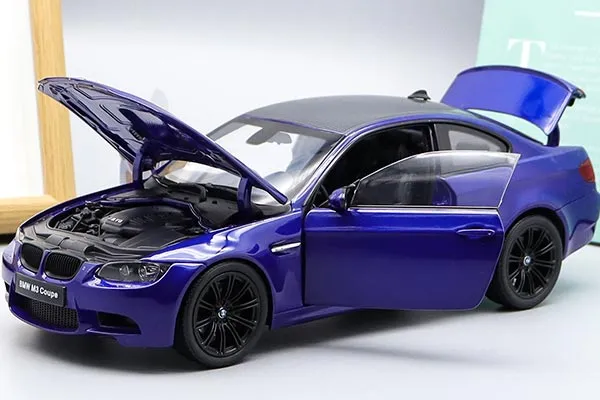
The engine bay is a critical area where diecast model manufacturers demonstrate their skills, by delivering a high level of detail. The engine replica itself, including its various components such as the cylinders, belts, and hoses, should be accurately reproduced. The manufacturer’s attention to detail extends to the colors and finishes used, with each part painted to match the original. The engine bay design includes the correct placement of all its features and components. This offers collectors the opportunity to admire a miniature replica of the BMW M3’s engine. This engine bay detailing is an important feature, making the diecast model a true reflection of the real BMW M3.
Engine Replica and Components

The engine replica within a BMW M3 diecast is a true marvel of miniaturization, where the manufacturer’s attention to detail becomes most evident. The engine’s design, with its cylinders, belts, and hoses, should be accurately replicated, ensuring it matches the authentic design. The use of various materials adds to the realism, with parts made of plastic, metal, or even rubber. The finishes, including the paintwork and the chrome, should be precise, making each component come to life. The engine’s overall presentation, including the correct placement of all its parts, will create a realistic replica that can be appreciated by car enthusiasts. This level of engine detailing is a testament to the craftsmanship of diecast model makers and is a key feature that makes the model a true representation of the BMW M3.
Opening Features
The ability of a BMW M3 diecast model to open its doors, hood, and trunk is a feature that greatly enhances the ownership experience. These opening features are a testament to the manufacturer’s engineering prowess, making the model more interactive. The doors, when opened, should reveal the detailed interior. The hood and trunk, when opened, give collectors a better look at the engine and the storage area. These opening features add another level of realism and allow enthusiasts to explore the model in detail. Functioning doors, hoods, and trunks make the diecast model more than just a static display piece and transform it into an interactive miniature replica of the BMW M3.
Doors and Hood
The doors and hood are key features that determine the realism of any diecast model. They are an indication of the model’s functionality and the manufacturer’s attention to detail. The doors, when opened, should move smoothly and reveal the detailed interior, allowing enthusiasts to fully appreciate the model’s interior design. The hood, when opened, exposes the engine bay, giving collectors a look at the replica engine and its components. The hinges should be sturdy and the mechanism to open and close should be simple. The opening doors and hood adds a layer of realism and gives collectors more ways to experience and appreciate the BMW M3 diecast model. These features are an important component that transforms the diecast model from a static display piece into an interactive miniature replica of the BMW M3.
Suspension and Wheels

The suspension and wheels of a BMW M3 diecast are critical to its overall look and feel. The wheels, in particular, should accurately replicate the design of the original car’s wheels, featuring the right number of spokes, and a realistic finish. The tires should have a detailed tread pattern, adding to the realism. Some models incorporate a suspension system, and this will add to the model’s realism, making it look as close to the real car as possible. The suspension is important to improve its appearance. These elements work together to contribute to the overall authenticity and add another layer of detail that attracts collectors.
Wheel Detailing
Wheel detailing is a critical part of the overall look of a BMW M3 diecast model. This is the place where the manufacturer’s attention to detail really shines. The wheels themselves, with their intricate designs, must match the original car’s wheels, complete with accurate spokes and finishes. The manufacturer must ensure that the design accurately replicates the wheels of the authentic BMW M3. The tires also contribute to the realism, complete with authentic tread patterns and accurate branding. All of these components work together to make the model as realistic as possible, transforming it into a miniature version of the BMW M3.
Conclusion
Owning a BMW M3 1 18 diecast is an experience that goes far beyond simple display. It is a testament to the owner’s love for automobiles and an appreciation for meticulous craftsmanship. The details, from the precision paint job and authentic badging to the detailed interior, engine bay, and opening features, make these miniature replicas true collector’s items. Appreciating these subtle elements deepens the connection with the model. Diecast models offer a way to experience and celebrate the iconic BMW M3. They serve as a reminder of the original car’s design. Whether you’re a diecast model enthusiast or simply appreciate the beauty of engineering, the BMW M3 1 18 diecast will offer a unique and rewarding experience.