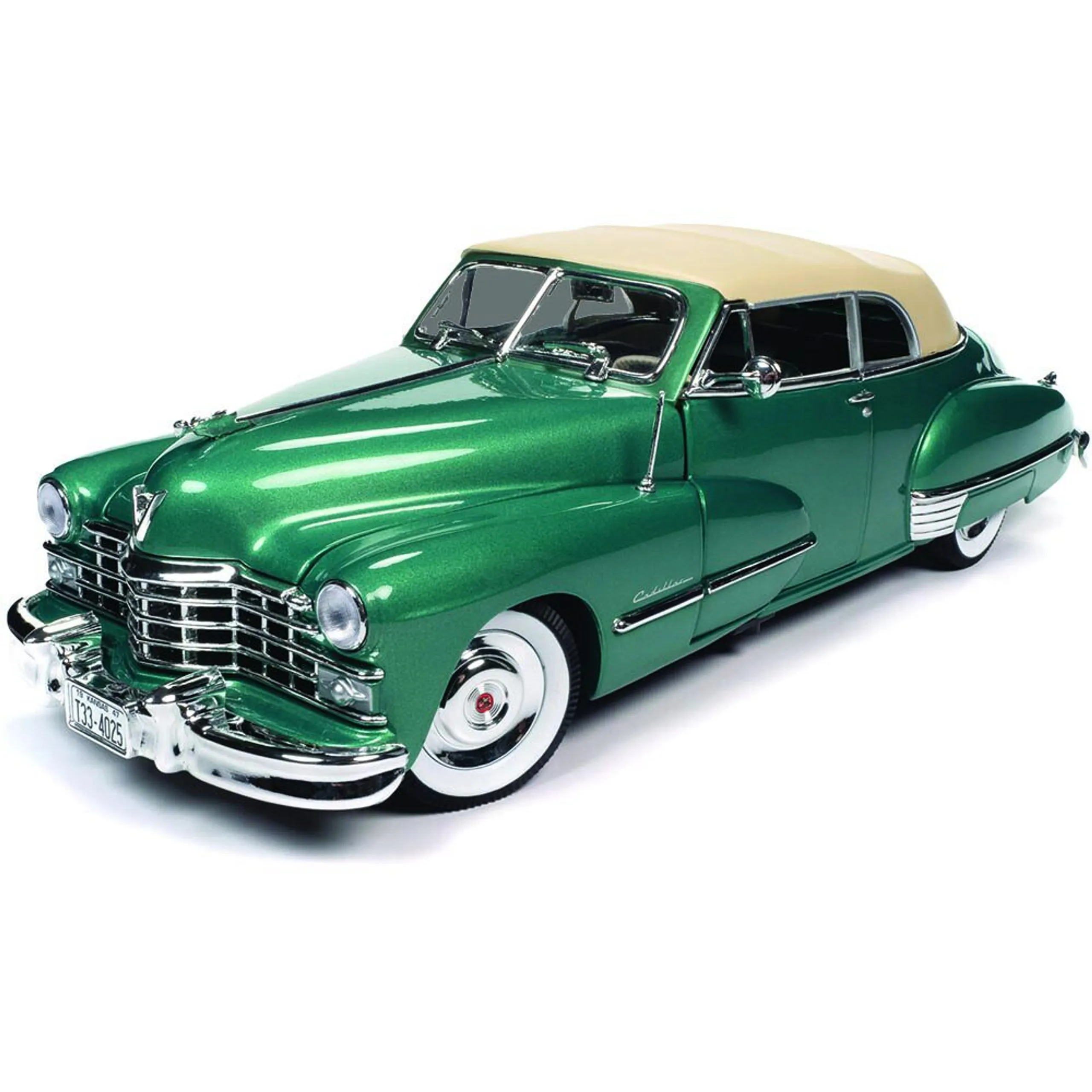
Collectible Diecast Models Top 7 Features
Collectible diecast models have captivated enthusiasts for decades, offering a tangible connection to automotive history, engineering marvels, and iconic designs. These miniature replicas are much more than mere toys; they are meticulously crafted pieces of art that showcase a remarkable level of detail, quality, and collectibility. Understanding the key features that make these models so appealing is essential for both seasoned collectors and those just starting out. This article will explore the top 7 features that define the best collectible diecast models, providing insights into what to look for when building your own collection. From the intricate detailing to the realistic paint finishes and the collectibility factor, each element contributes to the overall value and enjoyment of these miniature automotive masterpieces.
Authentic Detailing
One of the most crucial aspects of a high-quality diecast model is its level of authentic detailing. This includes the intricate replication of the car’s exterior and interior features. Authentic detailing goes beyond the basic shape of the vehicle and extends to every visible component, from the headlights and taillights to the door handles and emblems. The best models accurately depict every curve, crease, and contour of the original car. Look for models where individual components, such as windshield wipers, mirrors, and grilles, are separate pieces rather than molded as part of a single unit. The quality of detailing is a primary factor that distinguishes a high-end collectible from a more basic toy, making it a key element for serious collectors who value accuracy and realism in their models. Detailed models also include accurate engine components visible under the hood, adding to the authenticity.
Realistic Paint and Finish

The paint and finish of a diecast model significantly impact its overall appearance and value. High-quality models utilize realistic paint applications that replicate the original car’s color and gloss. The paint should be applied smoothly and evenly, without any imperfections such as runs, drips, or inconsistencies in color. The finish itself is also essential; it should mimic the appearance of the original car, whether that’s a glossy, metallic, or matte finish. Many models use multiple layers of paint and clear coats to achieve a deep, realistic shine. Details like the correct application of decals, stripes, and other markings also contribute to the realism. Proper paint application is not only about aesthetics; it also protects the model from damage and corrosion. Collectors should pay close attention to the paint quality as it can significantly affect the model’s value and longevity.
High-Quality Materials
The materials used in the construction of a diecast model are crucial to its durability, appearance, and collectibility. The primary material used is typically diecast metal, which provides the model with its weight and a realistic feel. Other materials, such as high-quality plastics, rubber, and sometimes even fabric, are used for various parts, including interiors, tires, and seatbelts. The quality of these materials impacts the model’s overall look and feel. The best models use durable, high-grade plastics that resist fading and cracking, while the rubber tires should maintain their shape and detail over time. The use of premium materials contributes to the model’s long-term value and its ability to withstand handling and display. The materials selected will have a great impact on the details of the models.
Diecast Metal Construction
Diecast metal is the cornerstone of collectible diecast models, providing the weight, durability, and authentic feel that collectors appreciate. The diecast process involves injecting molten metal, typically zinc alloy, into molds to create the intricate shapes of the car’s body and chassis. This method allows for a high level of detail and accuracy that plastic models often cannot achieve. The weight of diecast models contributes to their realistic feel, and the metal construction helps them last for many years. The quality of the diecast metal, including its composition and the finishing process, is essential for preventing corrosion and ensuring the model’s longevity. The use of diecast metal is a defining characteristic of high-quality collectible models, enhancing their appeal and collectibility.
Opening Parts

A significant feature that enhances the realism and collectibility of diecast models is the inclusion of opening parts. These parts allow collectors to examine the intricate details of the model’s interior and engine compartment. Opening doors, hoods, and trunks provide access to the carefully replicated components within the car. This feature adds to the overall experience, allowing collectors to appreciate the level of detail and craftsmanship. The functionality of opening parts should be smooth and precise, with hinges and mechanisms that operate correctly. The presence of opening parts is a hallmark of high-end diecast models, adding significant value and enhancing the collector’s enjoyment. Moreover, the working steering wheel that turns the wheels is an important feature.
Functional Features
Beyond just opening doors and hoods, functional features can significantly elevate the appeal of diecast models. These features can include working steering mechanisms that turn the front wheels, suspension systems that simulate the car’s ride, and even functional seat belts. Some models may feature retractable spoilers, folding side mirrors, or other moving parts that replicate the functionality of the real vehicle. The inclusion of these functional features adds a layer of realism and interactivity that enhances the collecting experience. These details can create a more engaging and immersive experience for collectors, making the models feel more like mini versions of the actual cars. The presence of such features often indicates a higher level of craftsmanship and attention to detail.
Limited Editions and Collectibility
One of the most compelling aspects of collectible diecast models is their limited production runs and the resulting collectibility. Many models are produced in limited quantities, making them more valuable and sought after by collectors. Limited editions can be numbered or identified with special markings, adding to their exclusivity. The rarity of these models drives up their value over time, creating an investment opportunity for collectors. The collectibility of a diecast model is influenced by various factors, including the brand, the model’s historical significance, the level of detail, and the condition of the model. Collectors often seek out rare and hard-to-find models to add to their collections, making this feature a vital element of their appeal.
Detailed Interiors

The interior of a diecast model is as important as the exterior, and the best models feature highly detailed cabins. This includes accurately replicated dashboards, seats, steering wheels, gear shifts, and other interior elements. The materials used in the interior should also be of high quality, with accurate textures and colors. Often, the interiors include details like instrument panel gauges, radio controls, and even seat belts. The level of detail in the interior showcases the manufacturer’s dedication to authenticity and adds to the overall realism of the model. Collectors highly value the detailed interiors as they provide a complete picture of the car’s design and engineering, and this also makes the collectible models a work of art.
Varied Scales
Collectible diecast models come in various scales, each offering a different level of detail and size. The scale refers to the ratio between the model and the actual car, and it greatly affects the model’s price, the amount of detail, and its overall appearance. Common scales include 1:18, 1:24, and 1:43, each with its own advantages and disadvantages. Choosing a scale often depends on personal preference, display space, and the level of detail desired.
1 18 Scale Models
1:18 scale models are among the most popular choices for collectors. They offer a good balance of size and detail, making them ideal for showcasing the intricacies of the vehicle. These models are typically around 10-12 inches long, allowing for detailed features like opening doors, hoods, and trunks, as well as detailed engine compartments and interiors. The larger size allows for more intricate detailing, making these models highly sought after by enthusiasts. The 1:18 scale is also popular because of the wide variety of models available. These models are a good choice for showcasing individual cars and are often a focal point in any collection.
1 24 Scale Models

1:24 scale models are slightly smaller than 1:18 scale models, making them a good option for those with limited display space. They still offer a good level of detail, with many models featuring opening parts and detailed interiors. While they may not be as intricate as their 1:18 counterparts, they offer a more affordable option for collectors. The smaller size also makes them easier to store and transport. The 1:24 scale offers a wide variety of models and is a good choice for collectors who want to build a diverse collection without taking up too much space.
1 43 Scale Models
1:43 scale models are the smallest of the commonly collected scales, making them ideal for collectors with limited display space or those who prefer to build a large and varied collection. These models are typically around 4-5 inches long and offer a surprisingly high level of detail, given their size. While they may not have opening parts as often as larger scales, they still provide a good representation of the original cars. The 1:43 scale offers the widest variety of models, including many rare and vintage cars, making it a favorite among many collectors. They are also generally more affordable than larger scale models, making them accessible to a broader range of collectors.
Display-Ready Packaging
The packaging of a diecast model is an essential feature, contributing to both its presentation and its protection. High-quality models often come in attractive and informative packaging designed to enhance their appeal. This includes features like detailed graphics, images, and information about the car, its history, and the model itself.
Protective Packaging

Beyond aesthetics, the packaging also serves a critical protective function. The best packaging ensures that the model is well-protected during shipping and storage, minimizing the risk of damage. This often includes sturdy boxes, clear plastic windows to showcase the model, and foam inserts to keep the model securely in place. The protective packaging helps to preserve the model’s condition, adding to its value and collectibility.
Collector’s Box
Many diecast models come in collector’s boxes that are specifically designed to enhance their presentation and protect their value. These boxes often feature custom designs, high-quality materials, and informative details about the model. The collector’s box can also include certificates of authenticity, limited-edition markings, and other features that add to the model’s collectibility. Preserving the original packaging is important for collectors, as it can significantly increase the model’s value over time. The boxes serve as a display case and protect the model from dust and damage, making them a valuable part of the overall collecting experience.
Brand and Licensing
The brand and licensing of a diecast model can have a significant impact on its value and appeal. Models produced by well-known and reputable brands are often highly sought after by collectors. These brands are known for their attention to detail, quality, and the accuracy of their models. Licensing is also crucial. A licensed model has the official approval of the car manufacturer. This ensures that the model accurately reflects the original vehicle’s design, branding, and features.
Popular Brands

Several brands have earned a reputation for producing high-quality diecast models. Some of the most popular brands include Autoart, Minichamps, Bburago, and CMC. These brands are known for their detailed models, realistic finishes, and durable construction. Collectors often seek out models from these brands, as they are considered to be among the best in the industry. The brand can be a significant indicator of the model’s quality and collectibility, and the reputation of the manufacturer can greatly influence a collector’s decision. The brand of the model is a key point when you’re deciding to start your own collection.
Licensed Products
Licensed products have the official approval of the car manufacturer, which assures that the model accurately reflects the original vehicle’s design, branding, and features. Licensed models can be more valuable and sought after by collectors, as they represent an official and authentic replica of the actual car. The licensing process ensures that the model meets the manufacturer’s standards for accuracy and quality. The inclusion of official branding and markings also enhances the model’s appeal and collectibility. Collectors often specifically seek out licensed models to add to their collection, as they represent a genuine and authorized tribute to the original car.
In conclusion, collectible diecast models offer a captivating blend of artistry, engineering, and history. The top 7 features, including authentic detailing, realistic paint and finish, high-quality materials, opening parts, limited editions, detailed interiors, varied scales, display-ready packaging, brand and licensing, all contribute to their allure. Whether you are a seasoned collector or just starting out, understanding these features is key to appreciating the value and enjoyment of these miniature automotive masterpieces. Exploring these features allows you to build a collection that reflects your passion and appreciation for fine craftsmanship.