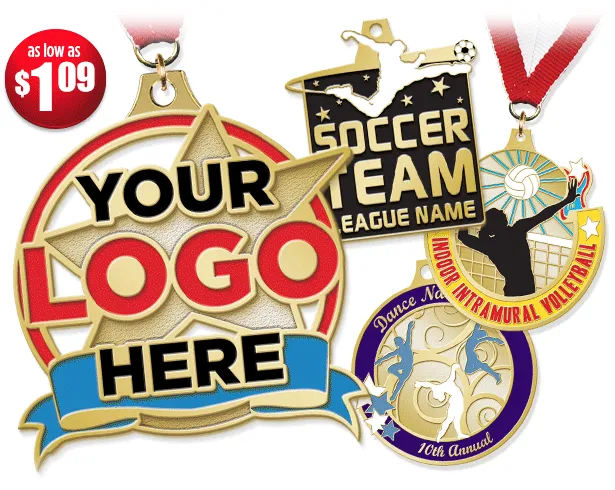
Understanding Custom Medals with No Minimum
Custom medals have become increasingly popular for a variety of events, from sports competitions and corporate awards to commemorative events and personal achievements. The ability to create unique, personalized medals offers a tangible symbol of recognition and accomplishment. However, traditional custom medal orders often come with minimum quantity requirements, which can be a barrier for smaller events or individual needs. The emergence of “no minimum” custom medal options has revolutionized the industry, making personalized awards accessible to everyone, regardless of the quantity required. This flexibility allows for greater creativity and personalization, ensuring each medal is perfectly tailored to its recipient and event. This guide will explore the benefits of custom medals, the advantages of no minimum orders, and, most importantly, provide five crucial design tips to create stunning custom medals.
The Value of Custom Medals
Custom medals offer significant value beyond their aesthetic appeal. They serve as a lasting memento of a special achievement or event, providing a tangible reminder of hard work, dedication, and success. For participants, receiving a custom medal is a source of pride and accomplishment, fostering a sense of belonging and motivation. In a corporate setting, custom medals can be powerful tools for employee recognition, boosting morale and reinforcing company values. They can also enhance brand visibility, as medals often feature logos and branding elements that promote the organization. Custom medals are not only a symbol of achievement; they are an investment in building a positive and memorable experience for recipients, fostering a sense of value and creating a lasting impression. Their ability to be personalized ensures that the medal reflects the unique qualities of the achievement and the individual or organization it represents.
Why Choose No Minimum Orders

Choosing no minimum custom medal orders brings several advantages. Firstly, it significantly reduces the financial risk associated with ordering medals. There’s no need to order a large quantity that might not be fully utilized, saving money and storage space. This flexibility is especially beneficial for small groups, boutique events, or individuals who want to create personalized awards. Secondly, no minimum orders allow for greater design freedom. You can experiment with unique designs and quantities without worrying about meeting a minimum order requirement. This is also perfect for last-minute orders or situations where you need a specific number of medals. Lastly, no minimum options provide greater convenience and customization. You’re not constrained by bulk ordering, allowing you to tailor each medal specifically to its recipient. This makes the whole process easier and more accessible, regardless of the scale of your needs, opening doors to creativity and personalized awards for everyone.
Top 5 Design Tips for Custom Medals
Designing custom medals requires careful consideration to ensure they are visually appealing, durable, and representative of the event or achievement. Here are five essential design tips to help you create stunning custom medals that stand out and leave a lasting impression.
Tip 1 Prioritize Clarity and Simplicity
A well-designed medal is clear and easy to understand at a glance. Overcrowding the design with too much detail can make it difficult to read and diminish its impact. Strive for simplicity by focusing on the core elements of the design. The goal is to communicate the message clearly and effectively, ensuring that the recipient can immediately grasp the medal’s significance. This means using clean lines, a limited number of fonts, and a well-organized layout. Simple designs are often more memorable and impactful, allowing the key elements – such as the logo, event name, or achievement details – to shine through.
Importance of a Clean Design

A clean design is essential for creating a professional and visually appealing medal. It ensures that all the key elements are easily discernible and that the overall design is aesthetically pleasing. A cluttered design can be distracting and make the medal look unprofessional. By keeping the design clean, you can ensure that the important details are highlighted and that the medal is a lasting symbol of achievement. This approach makes the design more timeless and less prone to looking dated. A clean design not only enhances the medal’s aesthetic appeal but also elevates its perceived value, making it a treasured keepsake.
How to Achieve Simplicity
To achieve simplicity in your medal design, start by identifying the essential elements that must be included. Minimize the use of text, choosing a readable font and keeping the wording concise. Limit the number of design elements, avoiding excessive details or embellishments. Use negative space effectively, providing visual breathing room around each element. Consider the overall balance and symmetry of the design to create a sense of harmony. Prioritize clarity and legibility to ensure that the medal’s message is easily understood. By following these principles, you can create a simple yet impactful design that effectively communicates the medal’s purpose and significance.
Tip 2 Consider the Shape and Size
The shape and size of your medal are crucial design elements that affect its overall look and feel. The shape should complement the design and the event or achievement being recognized. Circular medals are classic and versatile, suitable for a wide range of events. Unique shapes, such as stars, shields, or custom contours, can add a distinctive touch and make the medal more memorable. The size of the medal must be appropriate for the level of detail in the design and the intended use. Consider how the medal will be worn and displayed. A larger medal allows for more intricate details, while a smaller one might be more elegant and wearable.
Impact of Shape on Design

The shape of a medal significantly impacts its design and overall aesthetic. A well-chosen shape can enhance the medal’s visual appeal and reinforce its message. For instance, a circular medal provides a balanced and classic look, suitable for many occasions. A square or rectangular shape can convey a sense of strength and stability, ideal for corporate awards. Custom shapes, such as a sports trophy silhouette or a themed design, add a unique touch and make the medal instantly recognizable. The shape should align with the medal’s purpose, creating a cohesive and impactful design that enhances the recipient’s experience and perception of the award.
Choosing the Right Size
The size of your medal is a crucial factor in its design, as it affects both aesthetics and functionality. Consider the details you want to include; a larger medal offers more space for intricate designs, logos, and text, while a smaller one may be more suitable for everyday wear. The medal’s intended purpose and audience should also influence its size. For example, a medal for a marathon may be larger to reflect the accomplishment, while a service award might be more subtle. Ensure the size is proportional and balanced. A good rule of thumb is to ensure the medal is easily readable and visually appealing without being overwhelming or cumbersome. Think about how it will be displayed or worn when making this decision.
Tip 3 Select Quality Materials
The choice of materials greatly impacts the look, feel, and durability of your custom medals. Diecast medals, known for their precision and durability, are a popular choice. Consider the metal type; options like zinc alloy, brass, and iron each offer different properties and cost points. Zinc alloy is a cost-effective choice, brass offers a classic look, and iron provides a sturdy feel. Finishing options such as gold, silver, bronze, or antique finishes add visual appeal and can reflect the medal’s significance. Selecting high-quality materials ensures that the medal not only looks great initially but also lasts for years to come, serving as a lasting reminder of the achievement it represents.
Metal Options for Diecast Medals

Choosing the right metal for your diecast medals significantly influences their appearance, durability, and cost. Zinc alloy is a popular choice, offering a good balance of quality and affordability. It’s versatile and can be used for intricate designs. Brass provides a classic look, with a warm tone that conveys elegance and prestige. Iron, though heavier, offers exceptional durability, ideal for medals intended to last for decades. Each metal type has its unique characteristics, influencing factors like weight, the level of detail achievable, and the types of finishes that can be applied. When selecting your metal, consider the overall design, the intended purpose of the medal, and your budget to ensure the best outcome.
Finishing Options and Their Effects
Finishing options are essential in enhancing the aesthetic appeal and value of custom medals. Gold, silver, and bronze finishes are classic choices, symbolizing achievement and recognition. Antique finishes add a vintage look, suitable for historical events or designs that convey heritage. Polished finishes offer a sleek, modern look. The choice of finish can also affect the perceived value of the medal. Consider the overall design and target audience when selecting a finish. Remember that the finish should complement the design elements and elevate the medal’s visual impact, creating a lasting impression on the recipient. Select the finish that best complements your design and achieves the desired effect.
Tip 4 Focus on Color and Contrast
Color and contrast play a crucial role in medal design, affecting its visual appeal and readability. Use a color palette that aligns with your brand or event theme. Consider the impact of color psychology; certain colors evoke specific emotions and associations. High contrast between the design elements and the background is essential for readability. Ensure that text and logos are easily visible. Experiment with different color combinations to find the optimal balance between aesthetics and legibility. Using color effectively ensures that the medal is eye-catching, memorable, and easily understood.
Color Psychology in Medal Design

Understanding color psychology can significantly enhance the effectiveness of your medal design. Colors evoke specific emotions and associations. Gold often symbolizes achievement, success, and prestige, while silver represents elegance and sophistication. Bronze, linked to antiquity, evokes a sense of history and tradition. Using these colors in the appropriate context can reinforce the meaning and significance of the medal. Consider the event or achievement when choosing colors, ensuring that the color palette reflects the desired emotions and message. For example, vibrant colors can energize a sports medal, while more subdued tones can convey seriousness and formality in an award for professional achievements. Choose colors thoughtfully to create a medal that resonates with the recipient and aligns with the event’s branding.
Achieving Effective Contrast
Effective contrast is crucial for ensuring your medal is easily readable and visually appealing. High contrast makes design elements stand out, making them easier to discern. Use contrasting colors for text and backgrounds to improve readability. For instance, light text on a dark background or dark text on a light background. Avoid using similar shades that can blend together. Ensure that all elements, including logos and intricate details, are clearly visible. Proper contrast enhances the medal’s overall design and effectiveness, making it memorable and impactful. Experiment with your color palette to ensure there is sufficient contrast throughout the design, ensuring all the critical components are easy to read.
Tip 5 Incorporate Branding Elements
Incorporating branding elements enhances the professional appearance and recognizability of your custom medals. Include your company logo, event name, or any other relevant branding details. Ensure that these elements are prominent yet do not overwhelm the overall design. Strategic placement of branding elements can reinforce brand identity and make the medal a powerful marketing tool. The font choice should align with your brand’s style and messaging. Clear and legible fonts are essential for readability. The careful integration of branding elements creates a cohesive design that represents the achievement while promoting your brand.
Logos and Text Placement

The strategic placement of logos and text is crucial in creating a balanced and effective medal design. Ensure that the logo is prominently displayed, representing your brand or event. The text should be clearly legible, with the name, date, and any relevant information. Consider the overall layout, ensuring that text and logos are well-placed and do not conflict with other design elements. Choose a font size that is both readable and proportional to the size of the medal. Proper placement reinforces brand recognition and ensures all key details are easily identified. A well-organized layout makes the medal visually appealing and informative, leaving a lasting impression on the recipient.
Font Selection and Readability
Choosing the right font is essential for the readability and overall aesthetic of your custom medals. Select a font that is clear, legible, and complements the overall design. Consider both the font style and size; a clean and simple font will be easier to read than an ornate or overly stylized one, especially in smaller sizes. Ensure that the chosen font aligns with your brand’s identity and messaging. Avoid using multiple fonts unless necessary, as this can make the design look cluttered. A well-chosen font reinforces the value of the achievement and ensures that essential information, such as names and dates, is easily read and understood.
Where to Order Your Custom Medals
Selecting the right supplier is crucial for ensuring the quality, design, and overall success of your custom medals. Look for a reputable supplier with a proven track record of producing high-quality medals. Check for online reviews, customer testimonials, and a portfolio of past projects to assess their design capabilities and craftsmanship. Ensure the supplier offers no minimum order quantities to meet your specific needs. Verify the supplier’s ability to provide custom designs, a range of materials and finishes, and competitive pricing. Consider their customer service, delivery times, and the ordering process. Partnering with a reliable supplier guarantees that your custom medals are crafted to the highest standards, leaving a positive lasting impression on your recipients.
Benefits of Using a Reputable Supplier
Choosing a reputable supplier brings several benefits. High-quality medals are produced with premium materials and expert craftsmanship, ensuring that the finished product reflects the value and importance of the achievement. Professional design assistance ensures that your medal design meets your exact specifications. Reliable customer service and efficient communication streamline the ordering process and ensure timely delivery. Competitive pricing, without hidden fees, helps you stay within your budget. A trustworthy supplier backs its work with guarantees and warranties, providing peace of mind. Ultimately, partnering with a reputable supplier is an investment in quality, service, and value, resulting in custom medals that exceed your expectations and create a lasting impact.