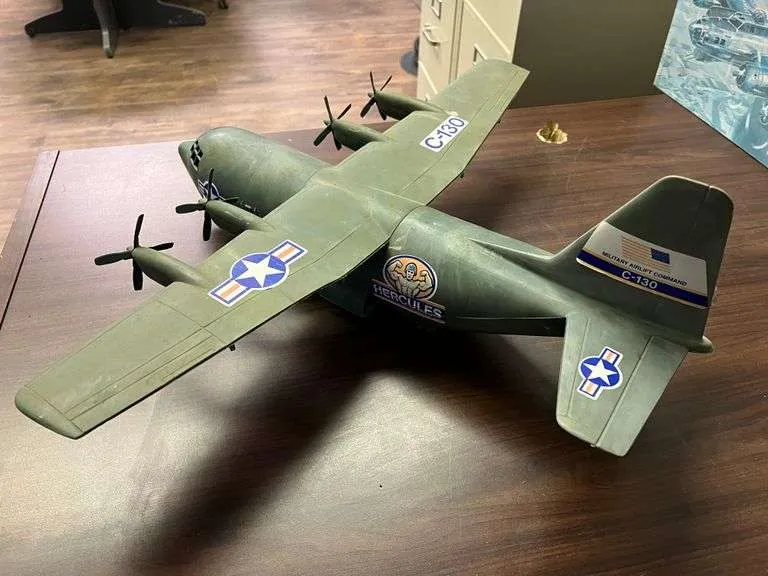
The Allure of Large Scale Diecast Aircraft
Large scale diecast aircraft represent a captivating blend of artistry, engineering, and history, drawing enthusiasts from around the globe. These meticulously crafted models offer a tangible connection to aviation history, allowing collectors to appreciate the intricate details and iconic designs of legendary aircraft. The appeal extends beyond mere aesthetics, as these models serve as a window into the evolution of flight, the technological advancements, and the stories behind the planes that have shaped our world. Owning a large scale diecast aircraft is like possessing a miniature piece of aviation heritage, a testament to human ingenuity and the enduring fascination with the skies. The size of the models allows for greater detail and realism, making them a focal point in any collection and a conversation starter for anyone who views them.
Why Large Scale Matters
The ’large scale’ designation in diecast aircraft collecting is not merely a matter of size; it significantly enhances the overall collecting experience. Larger models allow for a greater level of detail, accurately replicating the complex features of real-world aircraft. This includes intricate panel lines, realistic cockpit interiors, and detailed engine components. The increased size also contributes to a more substantial and impressive display, making the aircraft a focal point in any collection. Furthermore, the larger models often feature enhanced functionality, such as movable control surfaces and landing gear, providing a more interactive experience for collectors. The larger scale also offers a better canvas for manufacturers to apply authentic liveries and markings, making the models even more accurate representations of their real-life counterparts. The size difference allows for a much better overall feel of realism when compared to smaller models.
The Benefits of a Larger Scale

A larger scale brings numerous benefits for both the collector and the model itself. The level of detail achievable is far superior, providing a more realistic and immersive experience. The materials used are often of higher quality, and the build quality is frequently more robust. Larger models are also easier to handle and examine, allowing for closer inspection of the intricate details. Another advantage of a larger scale is the increased collectibility and investment potential. These models are often produced in limited quantities, increasing their value over time, especially those of iconic aircraft. Ultimately, the larger scale provides a more satisfying and rewarding collecting experience. It transforms the hobby into something more akin to owning a piece of art than just a mere model.
The Scale of Popularity
Several scales are popular in the diecast aircraft world, but larger scales, such as 1:72 and 1:48, are highly sought after. These scales offer a good balance between detail, size, and displayability. The popularity of a scale often correlates with the availability of models and the number of collectors specializing in that scale. The larger scales provide the perfect compromise allowing manufacturers to create models with incredible detail while still allowing for display in a typical home. Collectors frequently choose a scale based on personal preference, the types of aircraft they enjoy, and the amount of space they have available for display. Therefore, the selection of the perfect scale is crucial in the foundation of a strong diecast aircraft collection.
Secret 1 The Craftsmanship Behind the Models
The creation of large scale diecast aircraft is a testament to the skills of the designers, engineers, and craftspeople involved. Each model begins with meticulous research, drawing on blueprints, photographs, and other references to ensure accurate representation of the original aircraft. Designers create detailed 3D models, which serve as the blueprint for the manufacturing process. The manufacturing of the diecast model is a complex procedure, involving the use of specialized equipment and a variety of materials, including high-quality metal alloys. The level of detail is astounding, with individual parts often being created with extreme precision and then assembled by hand. Skilled artists then apply paint schemes, decals, and weathering effects to enhance the realism of the model, making it a true work of art.
The Manufacturing Process

The manufacturing of diecast aircraft is a multi-step process that blends advanced technology with meticulous craftsmanship. It starts with the creation of molds, usually made of steel, into which molten metal alloy is injected under high pressure. Once the metal cools and solidifies, the parts are extracted from the molds. These parts are then cleaned, trimmed, and prepared for assembly. The model is assembled, typically with screws, adhesives, and other fasteners. After the assembly phase, the model moves to the painting department, where it receives its base coat, followed by detailed paint schemes, markings, and weathering effects. This entire process requires precise quality control checks at every stage. This ensures that the final product accurately reflects the design and meets the high standards expected by collectors.
Materials and Techniques
High-quality metal alloys, particularly zinc, are the primary material used in diecast aircraft production. Zinc alloy provides durability and allows for intricate detailing. Other materials include plastic and rubber for components like propellers, landing gear, and tires. Advanced painting techniques, such as tampo printing and pad printing, are used to apply intricate markings and liveries. Weathering effects, including washes and dry brushing, add depth and realism, simulating the wear and tear of real-world aircraft. These methods involve meticulous hand-painting and airbrushing, as well as careful application of decals. The skillful combination of these materials and techniques allows for creating remarkably realistic and highly detailed models.
Secret 2 Where to Find Rare Models
Finding rare diecast aircraft models is a treasure hunt that adds excitement to collecting. Limited edition models, retired production runs, and prototypes often command a premium among collectors. Knowing where to look for these elusive items is key to expanding and enhancing your collection. The search can involve online marketplaces, specialty shops, and even auctions. The thrill of the chase and the satisfaction of securing a rare aircraft make the effort well worthwhile. The ability to find these rare models also depends on networking with other collectors and keeping an eye out for new releases and special offers. Collectors should be prepared to be patient and persistent in their quest.
Online Marketplaces

Online marketplaces such as eBay and specialized forums are valuable resources for locating rare diecast aircraft. These platforms offer a vast selection of models, from common releases to the most sought-after rarities. When using online marketplaces, it is essential to check the seller’s reputation, read the descriptions, and examine the photos carefully to ensure the model’s authenticity and condition. Setting up search alerts for specific models or brands can help you be among the first to know when a desirable item is listed. Collectors can also join online communities and forums to connect with other enthusiasts, share information, and trade models. Always use secure payment methods and be vigilant against scams.
Specialty Shops and Auctions
Specialty shops specializing in model aircraft are excellent sources of rare and collectible items. These shops often carry a curated selection of models and have knowledgeable staff who can provide advice and assistance. Auctions, both online and in-person, can be exciting venues for finding rare aircraft. Auction houses that specialize in collectibles often feature high-value models and attract serious collectors. Attending model shows and conventions is another great way to find rare models and connect with other enthusiasts. These events provide opportunities to see models, meet dealers, and sometimes acquire rare items that are unavailable elsewhere. Auction houses and specialty shops can be more expensive, but they offer a higher degree of trust and can provide detailed information on the history and authenticity of a model.
Secret 3 How to Display Your Collection
Displaying your large scale diecast aircraft collection is an art form in itself, enhancing the beauty and value of your models. Proper display not only showcases your collection but also protects your investment by minimizing damage and ensuring the models remain in pristine condition. Consider factors like lighting, space, and the overall aesthetic of your display area. With a well-designed display, your collection can become a stunning focal point and a source of pride, illustrating your passion for aviation and the art of collecting.
Optimal Display Conditions

Creating an optimal display environment is crucial for the long-term preservation of your models. Avoid direct sunlight, which can cause fading and damage to the paint. Maintain a consistent temperature and humidity level to prevent warping and deterioration. Using display cases or shelves with glass doors provides an added layer of protection against dust and accidental damage. Consider the placement of the models, and avoid overcrowding the display. A well-lit environment enhances the visibility of the models, and can be achieved by using LED lighting to minimize heat and UV exposure. Make sure your display area is clean, and free from any potential hazards that could harm your models.
Showcasing Your Aircraft
The arrangement of your models is as important as the protection of your aircraft. Consider thematic displays that group aircraft by type, era, or manufacturer. Use display stands or clear risers to elevate certain models, adding visual interest to the collection. Ensure the display area reflects your personal style, and aligns with your overall aesthetic vision. You can also incorporate informational plaques or labels with details about each aircraft to enhance the educational value of your display. Take advantage of wall space by mounting shelves or using display cases. The arrangement of your collection should be a reflection of your passion and knowledge of aviation history. Regularly cleaning and dusting your display will help to maintain its beauty and ensure that your models remain a focal point.
Secret 4 Protecting Your Investment
Diecast aircraft models can be a significant investment, and protecting your collection is essential for preserving their value. Proper care, storage, and maintenance can prevent damage and ensure your models remain in excellent condition for years to come. Developing good habits, such as regular cleaning and careful handling, can help extend the lifespan of your models and protect your investment. Additionally, being mindful of the environment in which you store your collection is also a critical component of protecting your models. If you’re serious about collecting and investing, it’s worth the effort to take steps to protect your investment. These steps ensure the value and enjoyment of your collection.
Proper Storage

Proper storage is critical for protecting diecast aircraft models. When not on display, store your models in a cool, dry place away from direct sunlight. The ideal storage conditions are a stable temperature and humidity to prevent damage. Consider using individual storage boxes or containers for each model to provide an extra layer of protection. Avoid stacking models on top of each other, which can cause scratches or damage. If you have the original packaging, it is a great way to store your models, as it is designed to protect them during shipping. Regularly inspect your storage area for any signs of pests or moisture, and take steps to address these issues promptly. By following proper storage practices, you can safeguard your investment and keep your models in pristine condition.
Cleaning and Maintenance
Regular cleaning and maintenance is essential for preserving the beauty and value of your diecast aircraft. Dust your models regularly using a soft brush or a microfiber cloth to remove dust and debris. Avoid using harsh chemicals or abrasive cleaners, which can damage the paint and decals. For more thorough cleaning, use a mild soap solution and gently wipe the model with a soft cloth. Inspect your models for any signs of damage, such as loose parts or paint chips. Repair minor damage promptly, or seek professional help if necessary. Handle your models with care, and avoid touching them with bare hands to prevent fingerprints and oil transfer. With these simple maintenance practices, your models will continue to look their best for many years.
Secret 5 The Future of Diecast Aircraft
The diecast aircraft collecting hobby is evolving, and the future looks promising. New technologies, emerging trends, and increasing interest in aviation history are shaping the industry. Collectors are always looking for new models, new scales, and new ways to enhance their collections. As the industry evolves, new opportunities and challenges will emerge. The key to being successful in the world of diecast aircraft is being aware of these trends. As technologies evolve, the diecast aircraft hobby will continue to flourish and provide collectors with satisfaction.
Emerging Trends in the Hobby

Several trends are shaping the future of diecast aircraft collecting. The increasing popularity of detailed models with advanced features, such as working lights and movable control surfaces, is a notable trend. The rise of online communities and social media is facilitating greater communication and connection among collectors. There is also growing interest in historical aircraft and models related to significant aviation events. The use of new materials and manufacturing techniques is also changing the landscape of the hobby. Collectors are increasingly focused on the details and the historical accuracy of the models. As the hobby evolves, the focus on quality, detail, and authenticity will only continue to grow.
Investment Potential
Large scale diecast aircraft can be an excellent investment, with certain models appreciating significantly over time. Limited edition releases, rare models, and those with historical significance often command high prices in the secondary market. The value of diecast aircraft is influenced by factors such as rarity, condition, and the manufacturer’s reputation. Investing in diecast aircraft requires knowledge of the market, research, and a long-term perspective. Collectors should also consider the costs of storage and insurance when evaluating the investment potential. By selecting models carefully and taking proper care of them, collectors can potentially realize a return on their investment. The diecast aircraft market provides opportunities for collectors to combine their passion with financial gain, making the hobby even more rewarding.