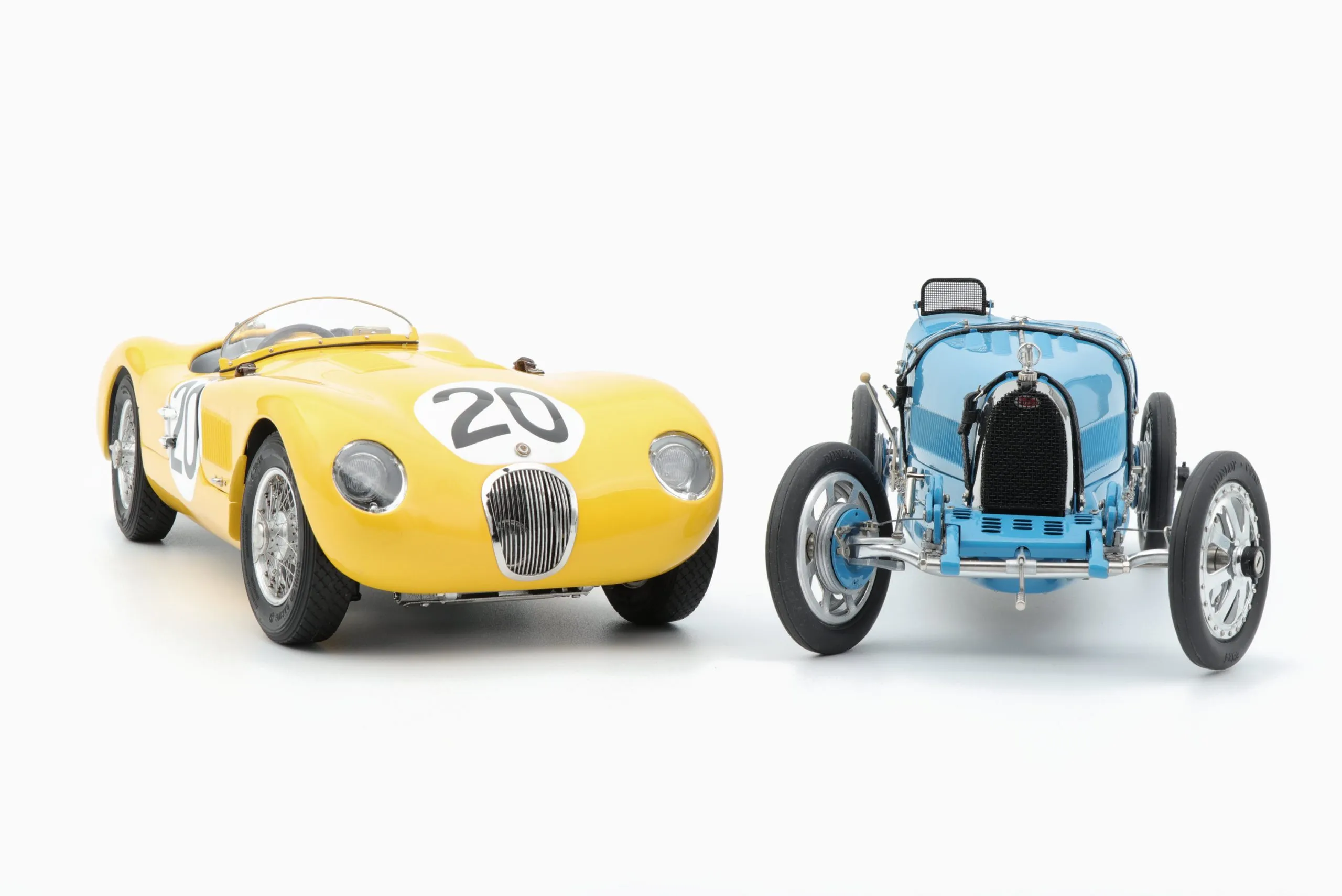
What are Diecast Cars
Diecast cars are miniature replicas of real-life automobiles, meticulously crafted from a metal alloy, commonly zinc, tin, and aluminum. These collectibles have captivated enthusiasts for generations, offering a tangible connection to the automotive world. The term “diecast” refers to the manufacturing process, where molten metal is injected into molds under high pressure. This process allows for intricate detailing and the creation of highly accurate models, making them popular among collectors of all ages. Diecast cars come in various scales, from the tiny micro-machines to larger, more detailed models, providing a wide range of options for collectors. The quality of the models can vary greatly, with some being simple toys while others are highly detailed replicas that can cost hundreds of dollars.
The Appeal of Diecast Cars
The allure of diecast cars lies in their ability to capture the essence of iconic vehicles in a smaller, more accessible form. For many, diecast cars evoke a sense of nostalgia, reminding them of childhood memories, favorite cars, or significant moments in history. These models offer a tangible connection to the automotive world, allowing enthusiasts to appreciate the design, engineering, and history of various vehicles. Collecting diecast cars provides a sense of community, with collectors often sharing their passion, knowledge, and experiences with others. The hobby can also be a form of self-expression, as collectors curate their collections to reflect their interests and personality. The detail of diecast car models has increased dramatically over the years. Modern manufacturing techniques allow for incredibly realistic features, from detailed engine compartments to accurate interior designs and paint jobs.
Historical Significance

Diecast cars have a rich history, dating back to the early 20th century. The first diecast models emerged in the early 1900s, initially produced as toys. These early models were simple and often lacked the detail of modern diecast cars. The popularity of diecast cars surged in the mid-20th century, with manufacturers like Dinky Toys and Corgi Toys leading the way. These companies produced a wide range of models, including cars, trucks, and buses, that became highly sought-after collectibles. During World War II, diecast production was temporarily halted, as the metal used in their construction was needed for the war effort. After the war, the diecast industry experienced a resurgence, with new manufacturers entering the market and improving the quality and detail of their models. The historical significance of diecast cars extends beyond their collectibility. Many models represent iconic vehicles from different eras, offering a glimpse into automotive history. Diecast cars also reflect the cultural trends and technological advancements of their time, making them a valuable resource for historians and enthusiasts alike.
Why Collect Diecast Cars
There are numerous reasons why people choose to collect diecast cars. Beyond the inherent appeal of the models themselves, collecting can offer a sense of personal satisfaction and enjoyment. For some, it’s about the thrill of the hunt, searching for rare or hard-to-find models. For others, it’s about building a collection that reflects their personal interests, whether it’s classic cars, race cars, or specific car brands. Diecast cars can also serve as a conversation starter, connecting collectors with others who share their passion. The hobby can be a great way to relax and unwind, providing a welcome escape from the stresses of everyday life. Collecting diecast cars can be a social activity, with collectors often joining clubs, attending car shows, and sharing their knowledge and experiences with others. Collecting also can be a form of artistic expression, with collectors curating their collections to reflect their personal tastes and preferences.
Investment Potential
While not all diecast cars are valuable investments, some models can appreciate in value over time. The investment potential of a diecast car depends on several factors, including its rarity, condition, and historical significance. Limited-edition models, particularly those with low production numbers, are often more valuable than mass-produced models. The condition of the model is also crucial. Models in their original packaging and in pristine condition are generally worth more than those that have been played with or damaged. Certain brands and models have a reputation for holding their value, making them attractive to investors. Researching the market and understanding the factors that influence value is essential for anyone looking to invest in diecast cars. Collectors should also be aware that the value of diecast cars can fluctuate, and there is no guarantee of a return on investment. However, with careful selection and proper care, collecting diecast cars can be a rewarding investment both financially and emotionally.
Personal Enjoyment and Hobby

At its core, collecting diecast cars is a hobby that brings joy and personal satisfaction to many people. It’s about the pleasure of finding a new model, the satisfaction of completing a set, and the pride of displaying a well-curated collection. The hobby can be a great way to connect with others who share your interests, whether it’s through online forums, local car clubs, or attending car shows. Collecting diecast cars provides an opportunity to learn about automotive history, design, and engineering. Collectors often research the models they collect, gaining a deeper appreciation for the vehicles they represent. For many, collecting diecast cars is a form of self-expression, allowing them to create a collection that reflects their personality and interests. It’s a hobby that can be enjoyed at any age, offering a sense of nostalgia, excitement, and personal fulfillment. Displaying your collection can be a source of pride, and sharing your collection with others is a great way to connect and build relationships.
Types of Diecast Cars to Collect
The world of diecast cars offers a vast array of options for collectors, with various types and scales to choose from. Whether you’re interested in classic cars, modern supercars, or specific car brands, there’s a diecast model to suit your taste. The most common scales include 1:18, 1:24, and 1:43, with each scale offering a different level of detail and size. Some collectors specialize in a particular type of car, such as vintage cars, race cars, or trucks. Others focus on specific brands, like Ferrari, Porsche, or Ford. There are also collectors who specialize in limited-edition models, prototypes, or variations of certain cars. Researching the different types of diecast cars available is an essential step in starting your collection. Understanding the various scales, brands, and model types will help you narrow your focus and make informed decisions about what to collect. Choosing a specific niche can also make it easier to find the models you’re looking for and to connect with other collectors who share your interests.
Scale Models
Scale models are the foundation of the diecast car world, with different scales representing the ratio between the model’s size and the size of the real car. The most popular scales include 1:18, 1:24, and 1:43, each offering a different level of detail and size. 1:18 scale models are the largest and offer the most detail, making them popular among serious collectors. 1:24 scale models are slightly smaller and provide a good balance between detail and size. 1:43 scale models are the smallest of the popular scales and are often used for displaying large collections. The choice of scale depends on personal preference, available space, and budget. Larger scales, such as 1:18, generally cost more but offer a higher level of detail. Smaller scales, like 1:43, are more affordable and easier to display in larger quantities. Consider how much space you have available and how much detail you desire when choosing a scale. Exploring different scales can be a great way to add variety to your collection and to appreciate the nuances of different model designs. The scale of a model also influences its features and functionality, with larger scales often including opening doors, detailed engines, and working steering.
Specific Car Brands

Many collectors focus on specific car brands, allowing them to build a cohesive collection that represents their favorite marques. Some of the most popular brands among diecast car collectors include Ferrari, Porsche, Lamborghini, and Mercedes-Benz. These brands are known for their iconic designs, high performance, and rich histories, making them highly desirable collectibles. Collecting specific brands can be a great way to build a focused and visually appealing collection. Brand-specific collections often feature models from different eras and body styles, creating a diverse and interesting display. Researching the history and models of your favorite brands is an essential part of this type of collecting. Learning about the different models, their production years, and their historical significance will enhance your appreciation of your collection. Connecting with other collectors who share your passion for specific brands can provide valuable insights, resources, and opportunities to acquire rare models. Attending car shows and events that feature your favorite brands is a great way to connect with other collectors and expand your knowledge.
Limited Editions and Special Releases
Limited editions and special releases are highly sought-after by diecast car collectors due to their rarity and collectibility. These models are often produced in limited quantities, making them more valuable and desirable. Manufacturers frequently release limited-edition models to commemorate special events, anniversaries, or partnerships. These models often feature unique paint schemes, details, or packaging that distinguish them from standard production models. Special releases can also include prototypes, pre-production models, or variations of existing models. Collectors often seek out limited editions and special releases to add value and exclusivity to their collections. Researching the production numbers and availability of these models is essential for anyone interested in collecting them. Attending car shows, auctions, and online marketplaces is a great way to find these rare and valuable models. Building a collection that includes limited editions and special releases can be a rewarding experience, providing a sense of accomplishment and increasing the potential value of your collection. Staying informed about new releases and pre-ordering models can increase your chances of acquiring the most sought-after items.
How to Start Your Collection
Starting a diecast car collection can be an exciting and rewarding experience. The key to success is to start slowly, do your research, and focus on building a collection that reflects your personal interests. Begin by deciding what types of cars you want to collect. Consider your favorite car brands, historical periods, or car types. Then, set a budget and stick to it. This will help you avoid overspending and make informed decisions about what models to acquire. Researching different manufacturers and models will help you identify the ones you want to collect. Learning about the various scales, features, and historical significance of different models will enhance your appreciation of your collection. Start by buying models that appeal to you and that fit within your budget. Don’t feel pressured to buy expensive or rare models immediately. Building a collection takes time and patience. Enjoy the process and have fun.
Setting a Budget

Setting a budget is an essential step in starting a diecast car collection. Determining how much you’re willing to spend will help you make informed decisions and avoid overspending. Start by assessing your financial resources and determining how much you can comfortably allocate to your hobby. Consider your income, expenses, and other financial obligations. Set a realistic budget that allows you to acquire the models you want without straining your finances. When setting your budget, consider the cost of individual models, shipping fees, and other associated expenses. Determine how often you plan to purchase new models and adjust your budget accordingly. Sticking to your budget is crucial for long-term success. Avoid impulse purchases and research the market before making any significant investments. Track your spending and regularly review your budget to ensure you’re staying on track. Consider the prices of the diecast cars you want to collect. Prices can vary greatly depending on the scale, brand, and rarity of the model.
Researching and Choosing Models
Researching and choosing models is a crucial part of building a successful diecast car collection. The more you know about the different models, manufacturers, and historical periods, the better equipped you’ll be to make informed decisions. Begin by identifying your areas of interest. Do you have a passion for classic cars, race cars, or specific brands? Research the history, specifications, and production details of the cars that interest you. Explore the different scales available and choose the one that best suits your needs and preferences. Learn about the manufacturers and their reputation for quality, detail, and accuracy. Read reviews, compare models, and consider their overall appearance and features. Look for models that are well-made, accurate, and in good condition. Pay attention to the details, such as the paint finish, the interior design, and the engine components. Consider the availability and value of the models you’re interested in. Some models are rare and valuable, while others are more common and affordable. Researching the market and understanding the factors that influence value will help you make informed decisions about what to collect.
Finding Reliable Sources
Finding reliable sources is essential for acquiring diecast cars, whether you’re a beginner or an experienced collector. There are numerous places to buy diecast cars, including online marketplaces, specialty shops, and car shows. Researching and choosing reputable sources will help you avoid scams, ensure the authenticity of your models, and get the best prices. Online marketplaces offer a wide selection of diecast cars, often at competitive prices. However, it’s crucial to research the seller and read reviews before making a purchase. Specialty shops and dealers offer a more curated selection of models and often provide expert advice. These shops are typically run by knowledgeable collectors who can answer your questions and help you find the models you’re looking for. Car shows and swap meets are a great way to find rare and hard-to-find models and to connect with other collectors. However, be sure to inspect the models carefully and ask questions before making a purchase. No matter where you buy your diecast cars, always check the seller’s reputation and ensure that the models are authentic and in good condition. Compare prices and read reviews before making a purchase. Building relationships with reliable sources will make it easier to build your collection and to acquire the models you desire. Learn to recognize counterfeit models.
Where to Buy Diecast Cars

There are numerous places to buy diecast cars, each with its advantages and disadvantages. The best place to buy diecast cars depends on your preferences, budget, and the types of models you’re looking for. Online marketplaces offer a vast selection of models from various sellers, often at competitive prices. Specialty shops and dealers provide a more curated selection of models and expert advice. Car shows and swap meets are great for finding rare and hard-to-find models and connecting with other collectors. Auctions can be a good way to find valuable models, but they can also be risky. Consider the reputation of the seller, the authenticity of the models, and the overall cost when deciding where to buy. Comparing prices, reading reviews, and inspecting the models carefully are essential, regardless of the source. Some sellers may offer models at lower prices, but they may also be selling counterfeit or damaged items. Finding the right source is about balancing convenience, selection, authenticity, and price. The best approach is often to diversify your sources, using a combination of online marketplaces, specialty shops, and car shows to find the models you’re looking for.
Online Marketplaces
Online marketplaces offer a convenient and diverse way to buy diecast cars. These platforms connect buyers and sellers from around the world, providing access to a vast selection of models. Some of the most popular online marketplaces for diecast cars include eBay, Amazon, and specialized online stores. Online marketplaces often offer competitive prices, allowing you to compare prices from different sellers. They also provide detailed product descriptions, photos, and customer reviews, helping you make informed decisions. However, it’s essential to exercise caution when buying from online marketplaces. Always research the seller’s reputation, read reviews, and inspect the photos carefully. Be wary of models that seem too good to be true, as they may be counterfeit or damaged. Many online marketplaces offer buyer protection programs, providing a safety net if you receive a damaged or misrepresented model. Use these programs to your advantage. Online marketplaces are a great place to find a wide selection of models but must always be approached with caution and diligence. Learning to spot fakes and understanding grading will help ensure you get the value you pay for.
Specialty Shops and Dealers
Specialty shops and dealers offer a more curated and personalized experience for diecast car collectors. These businesses are typically run by knowledgeable enthusiasts who can offer expert advice and guidance. Specialty shops often carry a wide selection of models, including rare and hard-to-find items. Dealers can often help with specific requests, offering expertise. Shopping at a specialty shop allows you to see the models in person and to inspect them before making a purchase. You can ask questions, compare models, and get a better sense of their quality and condition. Specialty shops and dealers often offer a higher level of customer service than online marketplaces. The staff can provide information about the models, their history, and their value. They can also help you find the models you’re looking for and assist you in building your collection. Specialty shops can be found online as well, which often offer a level of assurance, like an official online shop. Building a relationship with a specialty shop or dealer can be a rewarding experience, providing access to valuable resources and expertise. Finding a reputable dealer is a great investment for a serious collector.
Car Shows and Swap Meets

Car shows and swap meets provide a unique opportunity to find diecast cars and to connect with other collectors. These events bring together enthusiasts from all over, creating a vibrant community and a treasure trove of models. Car shows typically feature displays of classic cars, race cars, and other vehicles, as well as vendors selling diecast models, parts, and accessories. Swap meets are similar to car shows but focus more on the sale and trade of items. Car shows and swap meets are a great place to find rare and hard-to-find models, often at competitive prices. You can inspect the models in person, ask questions, and negotiate with the sellers. These events also offer a chance to connect with other collectors, share knowledge, and expand your network. Car shows and swap meets can provide valuable information. They also are a chance to find out about upcoming events. When attending car shows and swap meets, always inspect the models carefully, compare prices, and ask questions before making a purchase. These events are a great way to build your collection, expand your knowledge, and enjoy the community of diecast car enthusiasts.
Caring for and Displaying Your Collection
Caring for and displaying your diecast car collection is essential for preserving its value and enhancing its aesthetic appeal. Proper storage, display, and maintenance will help protect your models from damage and ensure that they remain in pristine condition. Create a display that complements your collection and reflects your personal style. Proper storage and display are two sides of the same coin, and both need to be considered. Collecting cars is a long-term commitment, and you must care for the cars in your collection. Take the time to research and learn the best practices for each of these elements. Doing so will protect your investment and help you to appreciate your collection for years to come.
Proper Storage
Proper storage is crucial for protecting your diecast car collection from damage. The primary goal of storage is to shield your models from dust, light, extreme temperatures, and humidity. The ideal storage environment is a cool, dry, and dust-free place. Avoid storing your models in direct sunlight or in areas with extreme temperature fluctuations. Consider using display cases or storage boxes to protect your models from dust and other hazards. If you don’t have display cases, make sure the storage boxes are made of acid-free materials to prevent damage. If storing your models in boxes, wrap them in acid-free tissue paper or bubble wrap to prevent scratches. Regularly inspect your models for any signs of damage, such as fading, rust, or loose parts. By taking these steps, you can ensure that your collection remains in excellent condition and is protected for years to come.
Display Cases and Shelving

Display cases and shelving are essential for showcasing your diecast car collection. They not only protect your models from dust and damage but also enhance their visual appeal. Choose display cases and shelving that complement your collection and reflect your personal style. Display cases come in a variety of styles, from simple glass-top cases to elaborate wall-mounted displays. Shelving options range from simple bookshelves to custom-built units. When selecting display cases and shelving, consider the size and scale of your models. The most important consideration is to protect them from dust and light. Choose cases with UV protection. Ensure the shelving is stable and can support the weight of your models. Arrange your models in a way that is visually appealing and easy to view. Consider grouping models by brand, scale, or theme. Use lighting to highlight your collection and to create a more dramatic effect. With careful planning and attention to detail, you can create a display that is both functional and visually stunning.
Cleaning and Maintenance
Regular cleaning and maintenance are essential for keeping your diecast car collection in pristine condition. Dust and dirt can accumulate on your models, causing damage and diminishing their appearance. Establish a cleaning schedule. Use a soft, dry cloth or a microfiber cloth to gently wipe away dust and dirt. Avoid using harsh chemicals or abrasive cleaners, as they can damage the paint or other delicate parts. If your models require more thorough cleaning, use a mild soap solution and water. Make sure to dry the models thoroughly after cleaning. Check your models regularly for any signs of damage, such as loose parts, scratches, or fading. Address any issues promptly to prevent further damage. If a model is damaged, consider repairing it yourself or taking it to a professional model restorer. By following these simple cleaning and maintenance tips, you can ensure that your diecast car collection remains in excellent condition for years to come.
Conclusion
Starting a diecast car collection is a rewarding hobby that can bring joy and satisfaction to enthusiasts of all ages. From understanding the basics of diecast cars to finding reliable sources, building a collection requires research, planning, and a genuine passion for the hobby. Whether you’re drawn to classic cars, race cars, or specific car brands, there’s a world of diecast models waiting to be discovered. Remember to set a budget, research the market, and choose models that resonate with your personal interests. By taking care of your collection through proper storage, display, and maintenance, you can ensure that your models remain in pristine condition and that your passion for diecast cars continues for years to come. Collecting diecast cars is more than just a hobby; it’s a journey of discovery, connection, and personal expression. Embrace the thrill of the hunt, the joy of finding new models, and the satisfaction of building a collection that reflects your unique taste and style. With dedication, knowledge, and a love for the automotive world, you can create a diecast car collection that you’ll cherish for a lifetime. Happy collecting!