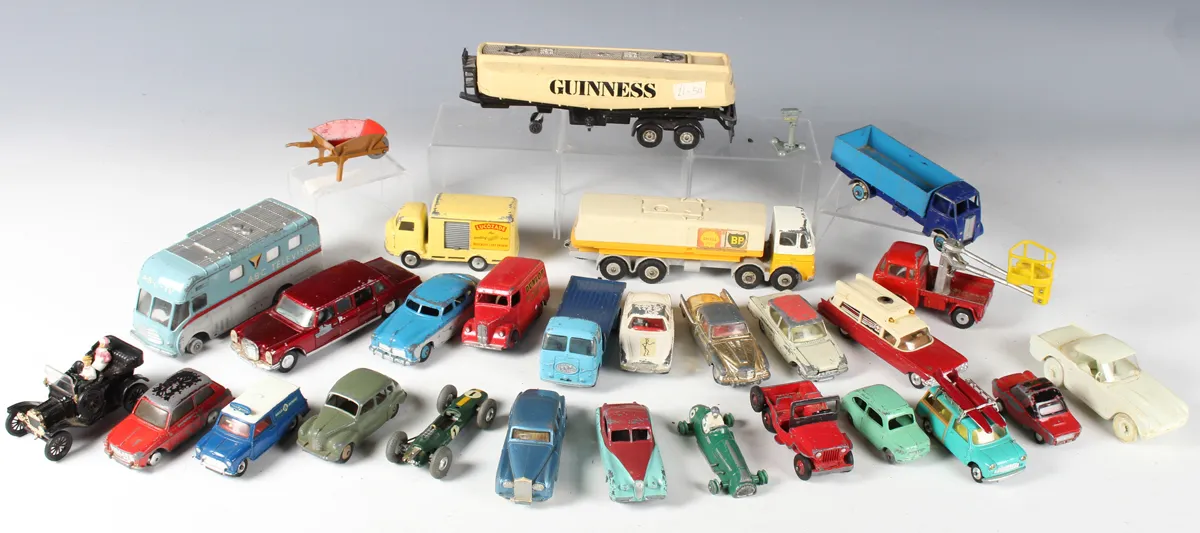
The Allure of Diecast Cars
Diecast cars have captivated collectors and enthusiasts for generations. These miniature marvels, often meticulously crafted, offer a tangible connection to the automotive world, allowing individuals to own and appreciate iconic vehicles in a compact form. The appeal lies in their blend of artistry, engineering, and nostalgia, making them much more than mere toys. For many, collecting diecast cars is a passionate hobby, a form of investment, and a way to celebrate their love for automobiles. The intricate details, the realistic features, and the historical significance of certain models contribute to their enduring popularity. From classic muscle cars to modern supercars, diecast cars offer a diverse and exciting world for collectors of all ages.
What Exactly Are Diecast Cars?
Diecast cars are miniature models of vehicles, typically made using a die-casting process. This involves injecting molten metal, usually zinc alloy, into a mold to create the car’s body and chassis. The term ‘diecast’ refers to this manufacturing technique. These models can range in scale, with the most common being 1:18, 1:24, and 1:64, meaning the model is that fraction of the size of the actual car. Diecast cars are known for their durability and detailed craftsmanship, often featuring realistic paint jobs, intricate interior designs, and functional components. They are prized by collectors for their accuracy and the ability to replicate real-world vehicles, capturing the essence of the original cars in miniature form.
Materials Used in Diecast Car Construction

The materials used in diecast car construction play a crucial role in their quality, durability, and overall appearance. The primary material is typically a zinc alloy, which provides the necessary weight and structural integrity. Additional materials are used to enhance different aspects of the model, contributing to its realism and functionality.
Zinc Alloy
Zinc alloy is the cornerstone of diecast car manufacturing. It’s chosen for its ability to be molded into intricate shapes, its strength, and its weight, which gives the models a satisfying heft. The alloy typically includes zinc, along with small amounts of aluminum, magnesium, and copper. This combination allows for detailed designs and ensures the model’s longevity, enabling the car to withstand handling and display without significant wear and tear. The use of zinc alloy is what makes diecast cars different from plastic toys, providing both realism and durability.
Plastic Components
Plastic components are extensively used in diecast cars, especially for parts that require flexibility or transparency. These include elements like windows, interior details such as dashboards and seats, and sometimes parts of the chassis and undercarriage. Plastics allow for fine detailing and can be molded into complex shapes. The specific type of plastic used varies, but common choices include ABS (Acrylonitrile Butadiene Styrene) and PVC (Polyvinyl Chloride). They are chosen for their durability, ability to be painted, and their capacity to replicate realistic textures, contributing to the model’s overall visual appeal and functional design.
Rubber Tires

Rubber tires are an essential feature, adding realism and functionality. They provide a realistic appearance, with tread patterns and sidewall details that mimic those of real tires. The rubber offers a level of grip, allowing the model to roll smoothly and sit properly on a surface. The material is chosen for its durability and ability to maintain its shape over time. The tires often feature branding or other details, further enhancing their realism and the overall visual experience of the diecast model, making it a more accurate representation of the full-size vehicle.
Key Features of Diecast Cars
Diecast cars are celebrated for their attention to detail and realistic features. These are the elements that distinguish them from simple toys and make them highly collectible. The quality of these features can vary based on the manufacturer and the model’s price point, but these features are typically included:
Realistic Detailing
Realistic detailing is a cornerstone of diecast car design. It encompasses a wide range of features, from accurately replicated body lines and proportions to intricate components like grilles, badges, and lights. The goal is to replicate the real-world vehicle as closely as possible. Manufacturers utilize various techniques, including detailed molds, precise paint applications, and the use of different materials to achieve this level of realism. This attention to detail is what draws collectors to diecast cars, allowing them to own a miniature version of their favorite cars, with accuracy and finesse.
Authentic Paint Jobs and Finishes

The paint job and finish are critical for a diecast car’s appearance. The use of high-quality paints and precise application techniques is what brings the model to life. Manufacturers strive to match the original car’s colors and finishes, including metallic, matte, and gloss options. The paint must be durable, able to withstand handling and protect the metal underneath. Additionally, details like clear-coat finishes are often applied to give the model a polished look. The paint job is what often determines the model’s visual appeal and value, and high-quality models will often feature multiple layers of paint for depth and realism.
Opening Doors, Hoods, and Trunks
Many diecast cars feature opening doors, hoods, and trunks, adding an extra layer of realism and playability. These functional components allow collectors to explore the interior and engine bay of the miniature car. The mechanisms for opening these parts are often carefully designed, and these features require detailed engineering. The ability to open these parts provides a more interactive experience, allowing collectors to appreciate the detail inside the model, such as engine components or interior trim. These features are a significant selling point for many collectors, making the model a more immersive and engaging experience.
Detailed Interiors
The interior of a diecast car often receives as much attention as the exterior. Detailed interiors include features such as accurately modeled dashboards, seats, steering wheels, and gear sticks. Manufacturers often use a combination of molded plastic, decals, and paint to replicate the textures and colors found in the real car. The level of detail can vary depending on the scale and price of the model, but many high-quality diecast cars have incredibly detailed interiors. The meticulous attention to the interior is a key selling point, enhancing the overall realism and providing collectors with a more immersive experience. These detailed interiors make the model a more faithful representation of the original vehicle.
Working Suspension

Some diecast cars feature a working suspension system. This system allows the wheels to move independently, adding to the realism and playability of the model. The suspension can be achieved through springs or other mechanisms, and it allows the car to navigate uneven surfaces and mimic the behavior of a real vehicle. The working suspension is often found in higher-end models and contributes to the overall quality and value. These features enhance the model’s authenticity and create a more engaging experience for collectors. The working suspension provides the model with greater realism and playability.
Scale Accuracy
Scale accuracy is a fundamental aspect of diecast car design. It ensures that the model accurately represents the proportions and dimensions of the real vehicle. Common scales include 1:18, 1:24, and 1:43, where the model is a fraction of the size of the original car. Manufacturers use detailed blueprints and references to create these models, ensuring the size is correct relative to the original vehicle. Accurate scale provides a more realistic and satisfying collecting experience. It also enables collectors to display different models together in a cohesive and visually appealing manner. The scale accuracy is what defines the precision and value of a diecast car, making them highly sought-after by enthusiasts.
Variety of Models and Brands
The variety of models and brands available is a key attraction of diecast cars. There is an extensive range, covering virtually every make, model, and era of automobile history. Major brands such as Hot Wheels, Maisto, and Autoart produce many different vehicles, from classic cars to modern supercars, offering something for every collector. This range allows enthusiasts to build collections based on specific themes, such as sports cars, vintage vehicles, or particular brands. The diversity of models and brands ensures that the hobby remains exciting and provides collectors with seemingly endless opportunities to discover and add new pieces to their collections, catering to diverse interests and preferences.
Why Collect Diecast Cars?

The reasons for collecting diecast cars are varied and personal. For some, it is a nostalgic pursuit that evokes memories of childhood. For others, it is a way to connect with their passion for automobiles. Beyond personal enjoyment, diecast cars can also be a valuable investment. The limited production runs and detailed craftsmanship of certain models can increase their value over time. Diecast car collecting provides a unique and engaging hobby with tangible rewards.
Investment Potential
Certain diecast models can appreciate in value over time, making them an investment opportunity. Limited edition releases, rare models, and those in pristine condition are particularly sought after by collectors. Factors like the brand, model, and production quantity affect a model’s investment potential. The market for diecast cars can fluctuate, but models from well-regarded brands and those with historical significance often hold or increase their value. Researching the market and acquiring models from reputable sources can help collectors make informed investment decisions. Collecting diecast cars can be both a passionate hobby and a smart financial choice.
Nostalgia and Personal Connection
Diecast cars often hold a special place in the hearts of collectors due to their connection to childhood memories or personal experiences. For many, they represent a nostalgic link to the past, evoking feelings of joy and excitement. Many collectors are drawn to models of cars that were owned or admired during their formative years. The ability to own and appreciate these miniature versions of iconic vehicles can create a profound sense of personal connection. Diecast car collecting is not only a hobby but also a celebration of history, design, and the enduring appeal of the automobile. The memories and emotional connection with the models make collecting a deeply personal and satisfying experience.
Displaying and Caring for Your Collection

Proper display and care are essential for preserving the value and beauty of your diecast car collection. Careful storage, cleaning, and display can protect your models from damage and environmental factors, ensuring they remain in excellent condition.
Proper Storage
Storing diecast cars correctly is crucial to protect them from damage. The ideal storage environment is cool, dry, and away from direct sunlight and extreme temperatures. Display cases or enclosed shelves protect against dust and UV light, which can fade paint and damage plastic components. Keeping models in their original packaging is an excellent option, especially for rare or valuable pieces. Proper storage ensures the longevity and value of the collection, protecting against wear and tear. Using protective cases or acid-free tissue can also help prevent scratches and damage. Careful storage maintains the pristine condition of diecast cars for years.
Cleaning and Maintenance
Regular cleaning and maintenance are essential to preserve the appearance and value of diecast cars. Dust can accumulate on the models and dull their finish. Gently dusting the models with a soft brush or cloth can keep them clean. Avoid using harsh chemicals or abrasive materials, as they can damage the paint or plastic. For stubborn marks, use a damp cloth with mild soap. Inspect your collection periodically for any signs of damage, like loose parts or paint chips. Addressing these issues promptly will maintain the quality and value of your collection. Proper cleaning and maintenance contribute to the long-term preservation and beauty of your diecast car collection.
Where to Find Diecast Cars
Diecast cars can be found in various places, making it easy for collectors to expand their collections. Knowing where to look can make the collecting process more enjoyable and rewarding.
- Specialty diecast shops often carry a wide selection of models, including rare and limited editions. The staff is often knowledgeable and able to offer advice and guidance.
- Online marketplaces like eBay, Amazon, and dedicated diecast car websites provide a vast selection of models, with access to both new and vintage pieces. These platforms offer collectors a convenient way to search, compare prices, and make purchases.
- Model train shops often carry diecast cars, providing a great way to find different scale models, and can offer a variety of vehicle types.
- Toy stores and department stores often have a selection of diecast cars. While their selection might be more limited, they offer an accessible option, especially for common models or those just starting their collections.
- Car shows and swap meets provide opportunities to discover rare and vintage models. These events enable collectors to meet other enthusiasts, exchange information, and add unique pieces to their collections.