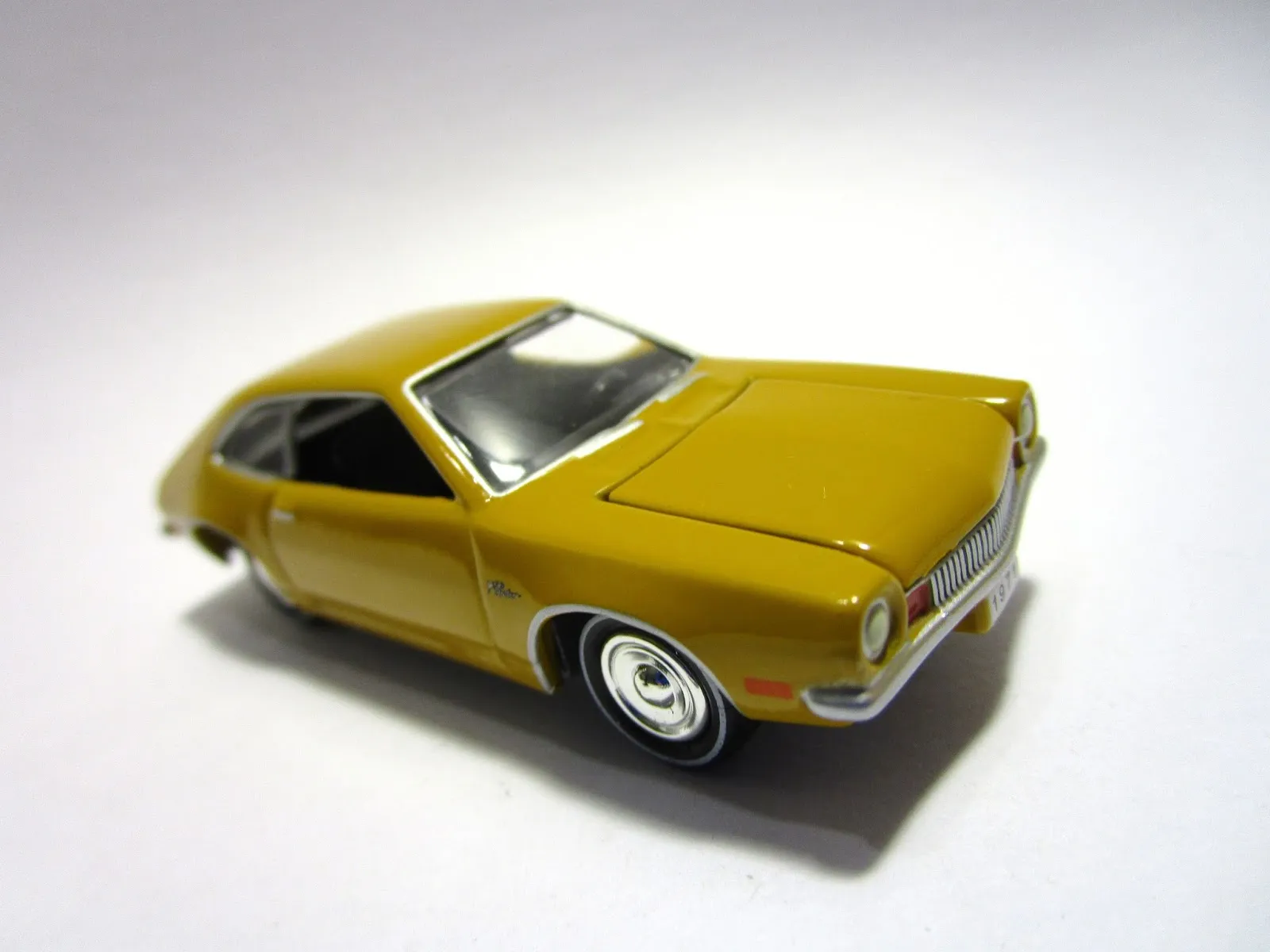
The Toxicity of Diecast Cars
The world of diecast cars, with its intricate details and collectibility, often hides a concerning secret: the potential for toxicity. While these miniature vehicles bring joy to collectors of all ages, the materials used in their construction can pose health risks. Understanding the potential dangers associated with diecast cars is crucial for collectors, parents, and anyone handling these items. This article delves into the toxic substances commonly found in diecast cars, the health impacts they can cause, and how to identify and mitigate these risks. The goal is to provide a comprehensive guide to help enthusiasts enjoy their hobby safely and responsibly. Let’s explore the hidden truths behind those appealing miniature cars.
Materials Used in Diecast Cars
Diecast cars are typically made from a combination of materials that contribute to their durability, appearance, and functionality. The primary component is usually a metal alloy, often zinc, aluminum, or a mix thereof, known for its ability to take on intricate shapes. These metals are melted and injected into molds under high pressure to create the car bodies and components. The paint used to give the cars their vibrant colors can contain various pigments and additives, some of which may be toxic. Plastics are also used for parts like windows, tires, and interior details, and these can sometimes contain potentially harmful chemicals. Therefore, the manufacturing process and the materials themselves must be scrutinized for any possible hazards.
Common Toxic Substances

Several toxic substances have been historically used in the production of diecast cars, and some may still be present in older models. Lead, a heavy metal, has been used in paints, as well as in the alloy of some older models, to add weight and durability. Cadmium is another heavy metal that has been used in pigments to create vibrant colors, particularly reds and yellows. Other hazardous materials can include phthalates, used as plasticizers in plastics to make them more flexible, and certain volatile organic compounds (VOCs) found in paints and adhesives. The presence of these substances is a significant concern due to their potential to leach out of the materials over time or with wear and tear, posing a risk to those who handle the cars.
Lead Exposure
Lead exposure is a significant health concern, particularly for children. It can affect almost every organ and system in the body. Even low levels of lead exposure can lead to learning disabilities, behavioral problems, and decreased IQ. Higher levels of exposure can cause anemia, kidney damage, and neurological problems. In diecast cars, lead can be ingested if the paint chips or if the car is chewed on. The potential for lead exposure underlines the importance of being aware of the materials used in older models and the importance of safe handling practices, especially if there are children in the household. Preventing lead exposure is vital for maintaining the health and well-being of collectors and their families.
Cadmium Risks
Cadmium, another heavy metal, is used in certain pigments in diecast cars, particularly in red and yellow paints. The health risks associated with cadmium exposure include kidney damage, bone weakening, and an increased risk of certain cancers. Cadmium can enter the body through ingestion or inhalation, posing a risk if paint chips are ingested or if the car’s components are damaged. As with lead, the presence of cadmium necessitates careful handling and storage of diecast cars. Collectors should be cautious when handling cars with vibrant colors, as these can sometimes indicate a higher concentration of cadmium in the paint.
Other Hazardous Materials

Besides lead and cadmium, other hazardous materials can be found in diecast cars. Phthalates, used to make plastics more flexible, are endocrine disruptors, meaning they can interfere with the body’s hormones. VOCs, often found in paints and adhesives, can cause respiratory irritation, headaches, and other health issues. Some older diecast cars may also contain asbestos in certain components, a known carcinogen. The combination of these substances highlights the complexity of the issue and the importance of understanding the potential risks associated with different diecast car models. Collectors must be vigilant in their efforts to recognize and avoid potentially hazardous materials.
How Toxicity Impacts Health
The impact of toxic substances in diecast cars on health can vary depending on the type of substance, the level of exposure, and the duration of exposure. The potential health impacts range from mild to severe, affecting different organ systems. Children are particularly vulnerable to the effects of heavy metal exposure due to their developing bodies and behaviors, such as putting toys in their mouths. Understanding the specific health risks related to each substance is key to developing effective safety practices.
Short-Term Effects
Short-term effects of exposure to toxic substances in diecast cars may include skin irritation, allergic reactions, and respiratory problems. If paint or small parts are ingested, it could lead to gastrointestinal upset, nausea, and vomiting. Exposure to VOCs from paint may cause headaches, dizziness, and eye irritation. These symptoms usually subside when exposure ceases. The immediate effects can vary depending on the specific substances and the individual’s sensitivity to them. Prompt action, such as removing the source of exposure and seeking medical advice if symptoms persist, is always advised when such symptoms appear.
Long-Term Health Risks

Long-term exposure to toxic substances in diecast cars carries more serious health risks. Chronic exposure to lead and cadmium can lead to kidney damage, neurological issues, and increased risk of certain cancers. Phthalates can disrupt the endocrine system, leading to hormonal imbalances and potential reproductive problems. The severity of these long-term effects is influenced by several factors, including the duration and level of exposure, the individual’s susceptibility, and the specific toxins involved. Regular exposure or prolonged contact should therefore be avoided to minimize the potential for developing adverse health conditions. Careful attention to safety guidelines is crucial to reduce any health risks.
Identifying Toxic Diecast Cars
Identifying potentially toxic diecast cars requires a cautious approach. While it may not always be possible to determine the exact composition of a car, there are steps that can be taken to minimize exposure and reduce the risk. Examining the car’s origin, age, and materials, and understanding the risks associated with different components, can assist collectors in making informed decisions and handling their collections safely. Collectors should research any specific models or brands to uncover potential risks associated with the materials used, or any known recalls.
Checking for Certifications and Standards
Modern diecast cars are often subject to safety standards set by regulatory bodies in many countries. Certifications such as the ASTM International standards in the US and the CE marking in Europe indicate that the product has been tested and meets specific safety requirements. When purchasing diecast cars, especially newer models, look for these certifications. These indicate that the car has been tested and meets specific safety guidelines. Cars that comply with these standards are less likely to contain high levels of toxic materials. Checking for these certifications is a simple way to increase the safety of your collection, especially when purchasing for children.
Inspecting the Materials

Carefully inspecting the materials used in a diecast car can reveal potential hazards. Examine the paint for chips, cracks, or peeling, as these can expose the underlying metal and potentially release toxic substances. Check for any loose parts or components that could be ingested by children. If a car appears old, or if the paint is flaking, it may indicate the presence of lead-based paints. Also, older cars may have been made using materials that are no longer used due to their toxicity. Avoiding contact with any materials that appear degraded or damaged is advisable. It’s always best to err on the side of caution when dealing with potentially hazardous items.
Safe Handling and Storage
Proper handling and storage of diecast cars are essential for reducing the risk of exposure to any toxic substances. Implementing the correct safety procedures, particularly in situations involving children, can significantly minimize health risks. Regular cleaning, using protective equipment when handling older models, and storing cars in safe locations are important steps in maintaining the safety of the collection. These practices not only protect health, but also ensure that the cars are well maintained for many years.
Proper Cleaning Techniques
Cleaning diecast cars should be done carefully to avoid dislodging any potentially toxic materials. Use a soft cloth dampened with water and mild soap to wipe down the surfaces. Avoid harsh chemicals or abrasive cleaners, as these could damage the paint and release harmful substances. Always wear gloves during the cleaning process, especially if the car is older or of unknown origin. Clean in a well-ventilated area. It’s best to avoid excessive scrubbing or applying too much pressure, as this might cause the paint to chip, leading to the release of harmful particles. Regularly clean the cars to remove dust and other debris that could accumulate over time.
Storage Best Practices

Proper storage is critical for minimizing exposure to any potential toxins. Store diecast cars in a cool, dry place, away from direct sunlight and extreme temperatures, which can cause materials to degrade over time. Avoid storing cars in areas accessible to children, as they may be more susceptible to exposure. Use display cases or sealed containers to reduce dust accumulation and prevent any accidental contact. Always label the storage containers clearly, particularly if you are unsure of the car’s composition. By implementing safe storage practices, you can preserve the cars and prevent any health hazards.
Reducing Exposure to Toxins
Reducing exposure to toxins is the cornerstone of a safe diecast car hobby. By making informed choices, understanding the risks, and taking preventive steps, collectors can minimize their exposure to potentially harmful substances. The key steps involve selecting safer alternatives, adopting specific recommendations for collectors, and creating a protective environment for children, ensuring the health and safety of all those involved.
Choosing Safer Alternatives
When building a diecast car collection, selecting safer alternatives can make a huge difference. Prioritize newer models that meet current safety standards and certifications. Opt for cars made with non-toxic materials and paints. Researching the manufacturers and the materials they use can offer more reassurance. Consider cars made from safer plastics and alloys. Educating yourself on the materials used and verifying any certifications will offer peace of mind. Choosing reputable brands that prioritize safety can greatly contribute to a healthy and enjoyable collecting experience.
Recommendations for Collectors

For diecast car collectors, several recommendations can minimize any potential exposure. Wear gloves and a mask when handling older models or those with unknown origins. Store cars in sealed containers or display cases, away from areas with high traffic or potential hazards. Regularly clean your collection to remove dust and debris, and be cautious with any cars that appear to be damaged. Conduct research on the specific models you collect, as different brands may have distinct safety profiles. By being proactive and implementing these safety measures, collectors can confidently enjoy their hobby.
Protecting Children
Protecting children is an essential consideration when it comes to diecast cars. Children are most vulnerable because they often put objects in their mouths and their bodies are still developing. Keep diecast cars out of reach of young children to prevent accidental ingestion of small parts or exposure to potentially harmful materials. Supervise children when they are playing with diecast cars, and teach them about safe handling. Choose cars made from non-toxic materials and those that meet safety standards, specifically those for children’s toys. Regular monitoring and education will ensure children can play safely with their toys.
Conclusion
The world of diecast cars offers enjoyment and nostalgia, but potential toxicity is a serious concern. Collectors should be aware of the materials used in the cars they collect, the health risks involved, and how to mitigate them. By understanding the potential hazards associated with lead, cadmium, and other substances, and by following safe handling and storage practices, collectors can protect themselves and their families. Choosing safer alternatives and prioritizing certified, child-safe models further safeguards against potential health issues. While these miniature vehicles bring joy to many, the key is to approach this hobby with knowledge, caution, and a commitment to safety, ensuring a safe and fulfilling collecting experience.