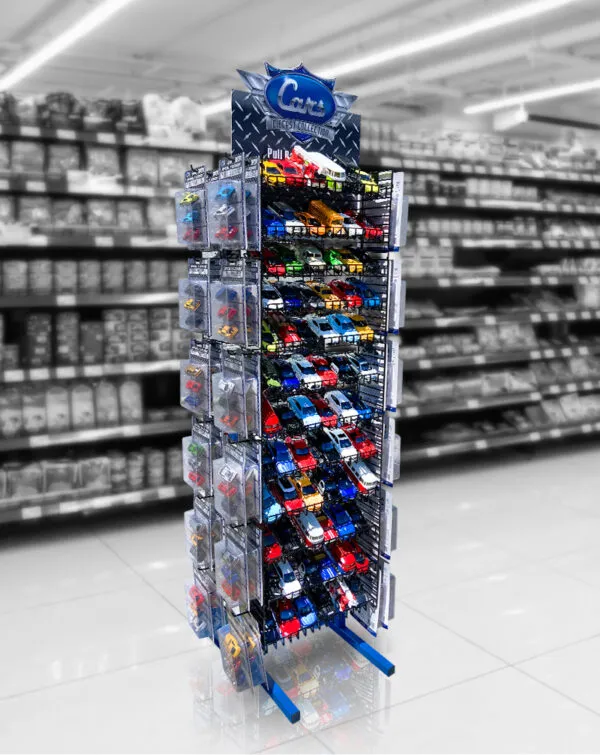
Starting a diecast distributor business can be a rewarding venture for enthusiasts and entrepreneurs alike. The market for model cars, trucks, and other vehicles remains strong, with collectors and hobbyists always seeking the latest releases and rare finds. This guide provides a comprehensive overview of how to start a diecast distributor business, covering everything from understanding the role to establishing a successful operation and growing your business. By following these steps, you can turn your passion for diecast models into a profitable enterprise.
What is a Diecast Distributor
A diecast distributor acts as a vital link between manufacturers of diecast models and retailers or end consumers. They purchase models in bulk from manufacturers and then sell them to various retail outlets, online stores, hobby shops, and sometimes directly to collectors. The distributor’s primary goal is to ensure the availability of a wide range of diecast models, managing inventory, and handling logistics to meet the market’s demand. This involves a deep understanding of market trends, strong relationships with suppliers, and efficient operational management.
Defining the Role
The role of a diecast distributor is multifaceted. It goes beyond simply buying and selling products. Distributors must forecast demand, manage inventory levels, and ensure timely delivery of goods. They also often handle customer service, resolve any issues with products, and provide marketing support to their retailers. A good distributor must be knowledgeable about the different diecast scales, manufacturers, and model types to cater effectively to their customer base. This requires continuous learning and staying updated with industry trends.
Key Responsibilities of a Diecast Distributor
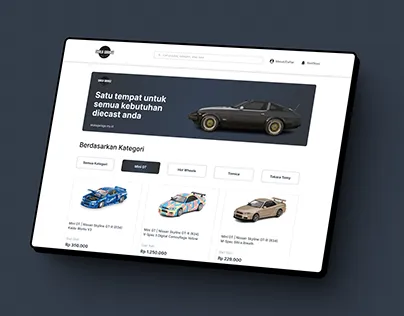
Key responsibilities include sourcing products from manufacturers, negotiating favorable prices, managing inventory, storing products, fulfilling orders, arranging shipping and logistics, and marketing products to retailers. Distributors are also responsible for managing financial aspects, such as tracking income and expenses, managing cash flow, and ensuring profitability. Effective communication and building strong relationships with both suppliers and customers are crucial for long-term success in this business. Moreover, a successful distributor continuously adapts to changing market demands and technological advancements.
Market Research & Planning
Thorough market research is essential before starting any business. It helps to identify opportunities, understand the competitive landscape, and tailor your offerings to meet market needs. This section outlines the steps involved in conducting market research and creating a solid business plan to set the foundation for your diecast distribution business. By understanding the market and developing a robust strategy, you increase your chances of success in this competitive industry.
Identifying Your Niche
Defining your niche helps to focus your efforts and differentiate your business from competitors. Consider specializing in a particular scale (e.g., 1:18, 1:43), brand (e.g., specific car manufacturers), or model type (e.g., classic cars, military vehicles). Focusing on a specific niche allows you to build expertise, target a dedicated customer base, and develop a strong brand identity. This focused approach makes marketing efforts more efficient and helps build customer loyalty.
Analyzing the Target Market

Identify your target audience, including retail stores, online sellers, and individual collectors. Understand their preferences, buying habits, and price sensitivities. Research the existing competition to identify their strengths, weaknesses, pricing strategies, and market share. Analyze market trends, such as the growing popularity of certain model types or the impact of online sales. Gathering this information will help you create a tailored marketing strategy and make informed decisions about inventory and pricing.
Creating a Business Plan
A well-crafted business plan is a roadmap for your business. Include an executive summary, company description, market analysis, organizational structure, service or product line, marketing and sales strategies, financial projections, and funding requests (if applicable). The business plan should outline your business goals, the strategies you will use to achieve them, and how you will measure success. It will also be essential if you are seeking funding from investors or lenders. (See Image: diecast-business-plan.webp)
Legal & Financial Setup
Setting up your diecast distribution business involves several legal and financial considerations. Choosing the right business structure, registering your business, and obtaining necessary licenses and permits are crucial steps. This section will guide you through the essential steps to ensure your business operates legally and complies with all relevant regulations. Also, it is extremely vital to ensure the financial health of your venture.
Choosing a Business Structure

Select a business structure that aligns with your goals and risk tolerance. Common options include sole proprietorship, partnership, limited liability company (LLC), and corporation. A sole proprietorship is straightforward but offers no personal liability protection. An LLC provides liability protection and is easier to manage than a corporation. Corporations offer more complex tax and legal advantages. Consult with a legal and financial advisor to determine the most suitable structure for your business, considering factors like liability, taxation, and administrative requirements.
Registering Your Business
Register your business with the appropriate government agencies. This usually involves selecting a business name, registering it with the state, and obtaining an Employer Identification Number (EIN) from the IRS if you plan to hire employees or operate as a corporation or partnership. Ensure compliance with local, state, and federal regulations. Completing these steps legally establishes your business and allows you to operate within the bounds of the law.
Obtaining Necessary Licenses and Permits
Determine which licenses and permits are required for your business. These may vary by state and locality and could include a business license, sales tax permit, and any specific permits related to warehousing or import/export activities. Contact your local government and the Small Business Administration (SBA) to understand the requirements. Ensuring you have all necessary permits and licenses is essential to avoid penalties and ensure smooth business operations. (See Image: diecast-distributor-warehouse.webp)
Securing Funding

Assess your startup costs, including inventory, warehouse space, marketing, and operational expenses. Explore funding options, such as personal savings, loans from banks or credit unions, and small business grants. Prepare a detailed financial plan and business plan to present to potential lenders or investors. Properly securing the necessary funding is critical to ensuring that your business can get off the ground and operate effectively, covering both initial and ongoing expenses.
Sourcing Diecast Models
Sourcing diecast models is a critical aspect of your distribution business. Building strong relationships with reliable suppliers, negotiating favorable terms, and managing inventory effectively is crucial for ensuring a consistent supply of products that meet your customers’ demands. This section provides guidance on finding suppliers, negotiating prices, and managing your inventory to optimize your sourcing strategy.
Finding Reliable Suppliers
Identify manufacturers and wholesalers of diecast models. Research potential suppliers online, attend industry trade shows, and network with other distributors. Look for suppliers with a reputation for quality, reliability, and competitive pricing. Consider factors such as product range, minimum order quantities (MOQs), shipping costs, and payment terms. Building relationships with multiple suppliers can reduce risks and provide more product options. (See Image: diecast-supplier-meeting.webp)
Negotiating with Manufacturers

Negotiate favorable terms with manufacturers, including pricing, payment terms, and shipping arrangements. Volume discounts are common in the diecast industry, so consider negotiating lower prices based on the quantity of your orders. Try to establish a long-term relationship and ensure consistent availability of sought-after models. Clearly understand the terms of any agreements, including warranties, returns, and delivery schedules. Effective negotiation can significantly improve your profit margins and competitiveness.
Establishing Minimum Order Quantities (MOQs)
Determine the minimum order quantities (MOQs) that will meet your business needs. Consider the cost of goods, storage space, and demand for each model. Balancing your inventory ensures you have sufficient stock to meet customer demands without tying up excessive capital. Review and adjust MOQs regularly based on sales data, market trends, and supplier terms. MOQs can significantly impact your cash flow and profitability, so careful management is crucial.
Building Your Inventory
Choose the right models to stock in your inventory based on your niche, target market, and market trends. Start with a selection of popular models and expand your inventory gradually. Implement inventory management strategies to monitor stock levels, track sales data, and forecast demand. Consider using inventory management software to streamline these processes. Maintaining an optimal inventory level ensures you meet customer demands, reduces storage costs, and minimizes the risk of obsolescence. (See Image: diecast-model-selection.webp)
Setting Up Operations
Efficient operations are crucial for the success of your diecast distribution business. This section discusses creating a storage and warehouse system, implementing an order fulfillment process, and managing shipping and logistics. These operational elements will help streamline your business, reduce costs, and improve customer satisfaction. Careful attention to detail in these areas is essential for long-term success.
Creating a Storage and Warehouse System
Secure a suitable storage space, whether it is a dedicated warehouse, a rented unit, or a portion of your home. Organize the space for efficient storage of diecast models, considering factors such as model size, fragility, and packaging. Implement an inventory management system to track stock levels, locations, and movement. Ensure proper environmental conditions, such as temperature and humidity control, to protect the models from damage. Proper storage prevents damage and helps maintain the quality and value of your products. (See Image: diecast-inventory-management.webp)
Implementing an Order Fulfillment Process
Establish an efficient order fulfillment process to handle orders from retailers and customers. This includes receiving orders, picking and packing items, and preparing shipments. Consider using order management software to automate these processes and reduce errors. Ensure you have adequate staff or systems in place to handle order volumes. Efficient order fulfillment increases customer satisfaction and builds a positive reputation for your business.
Managing Shipping and Logistics

Choose reliable shipping carriers and negotiate competitive shipping rates. Offer different shipping options to cater to various customer needs, such as standard, expedited, and international shipping. Properly package and protect the diecast models to prevent damage during transit. Implement a system to track shipments and provide customers with tracking information. Effective shipping and logistics management ensures timely deliveries and contributes to customer satisfaction.
Marketing and Sales Strategies
Effective marketing and sales strategies are essential for attracting customers, building brand awareness, and driving sales. This section focuses on developing a marketing plan, building an online presence, networking, and using sales techniques to grow your distribution business. A strategic approach to marketing and sales is critical to your overall success.
Developing a Marketing Plan
Develop a marketing plan to promote your diecast distribution business. Identify your target audience, define your marketing objectives, and outline the strategies you will use to reach your audience. Include a budget for marketing activities and track your results. Your marketing plan should incorporate multiple channels, including online marketing, trade shows, and direct sales. A well-defined marketing plan helps drive awareness, generate leads, and convert them into sales.
Building an Online Presence
Establish an online presence, starting with a website. The website should showcase your product catalog, provide information about your company, and offer a user-friendly experience. Consider creating an online store to sell diecast models directly to consumers. Utilize social media platforms such as Facebook, Instagram, and specialized diecast forums to engage with potential customers and build brand awareness. SEO optimization ensures customers can find you online easily. (See Image: diecast-online-store.webp)
Networking and Trade Shows
Attend industry trade shows to network with manufacturers, retailers, and other industry professionals. Trade shows are a great place to discover new products, build relationships, and generate leads. Participate in industry forums and events to stay updated on the latest trends and build your professional network. Networking at trade shows and events can lead to valuable partnerships, expanded sales, and increased brand recognition. (See Image: diecast-trade-show.webp)
Sales Techniques
Develop effective sales techniques to convert leads into customers. Provide excellent customer service, respond promptly to inquiries, and offer competitive pricing. Build relationships with retailers by understanding their needs and offering tailored solutions. Provide support for retailers with marketing materials and product information. Effective sales techniques and strong customer service build trust and foster long-term relationships, increasing your sales potential.
Financial Management & Growth
Effective financial management and strategic growth are essential for long-term success in the diecast distribution business. This section addresses the importance of tracking income and expenses, managing cash flow, and planning for business expansion. Proper financial planning and strategic growth initiatives ensure profitability and sustainability.
Tracking Income and Expenses
Implement a system to track all income and expenses. Use accounting software or spreadsheets to monitor your financial performance regularly. Regularly review your financial statements, including the profit and loss statement and balance sheet, to identify areas for improvement. Accurate financial tracking helps you manage costs, improve profitability, and make informed business decisions. (See Image: diecast-financial-planning.webp)
Managing Cash Flow
Manage your cash flow effectively to ensure you have sufficient funds to meet your financial obligations. Monitor your accounts receivable and accounts payable, and implement strategies to improve your cash flow cycle. Negotiate favorable payment terms with suppliers and manage your inventory to reduce costs. Proper cash flow management ensures your business can operate smoothly and meet its financial commitments.
Strategies for Business Growth
Develop strategies for business growth. Consider expanding your product offerings, targeting new market segments, or expanding into new geographic markets. Explore partnerships or collaborations with other businesses in the industry. Continuously evaluate and adapt your business strategy to changing market trends. Planning for sustainable growth ensures long-term success and increases the value of your business.
Scaling Your Distribution Business
As your business grows, scale your operations to handle increased demand. This may involve hiring additional staff, expanding your warehouse space, and upgrading your inventory management and order fulfillment systems. Implement automation and technology to streamline processes and improve efficiency. Ensure that you have the financial resources and management expertise to support your growth. Scaling your business effectively requires careful planning and resource management.
Starting a diecast distributor business requires careful planning, market research, and operational excellence. By understanding the market, building strong supplier relationships, and providing excellent customer service, you can establish a successful and profitable business. Focus on building a strong foundation, managing your finances wisely, and constantly seeking ways to improve and grow. With dedication and smart execution, your passion for diecast models can be the foundation of a thriving business.