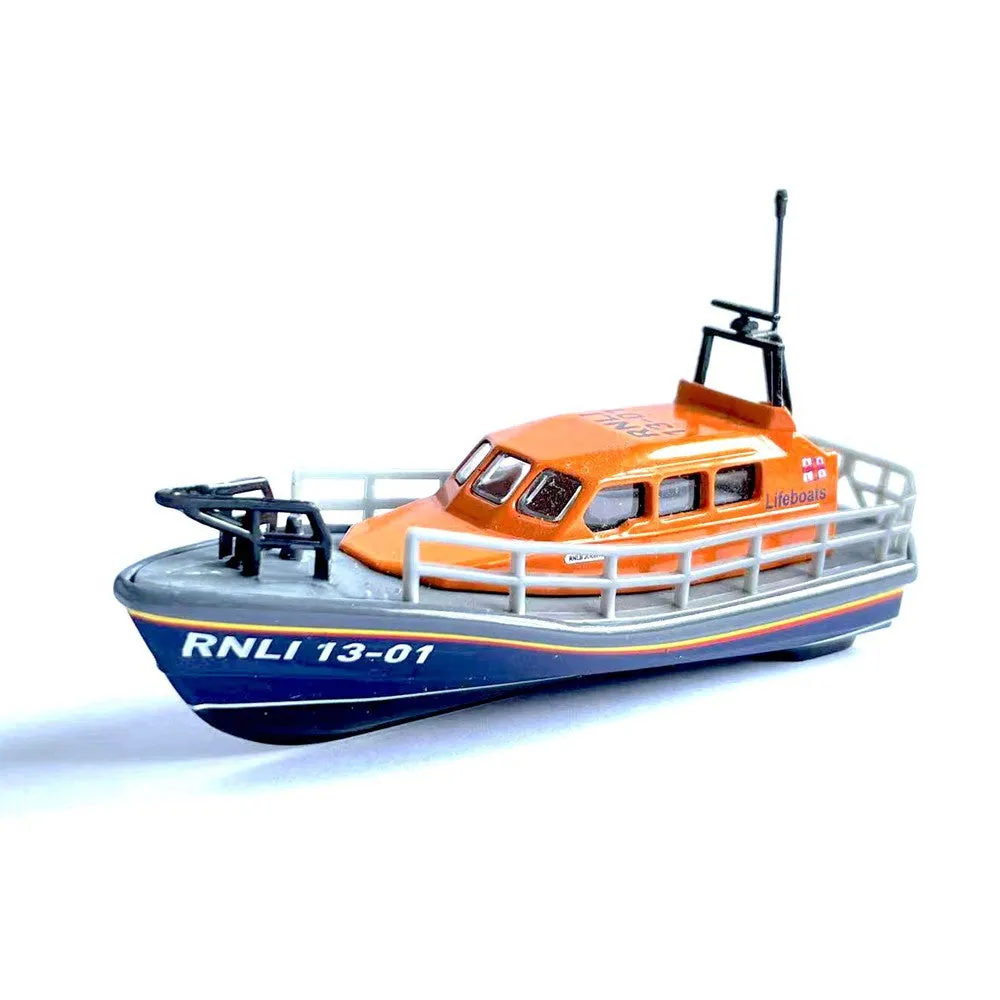
What are Diecast Model Lifeboats
Diecast model lifeboats are meticulously crafted miniature replicas of the life-saving vessels that have played a crucial role in maritime history. These models are typically made using the die-casting process, which involves injecting molten metal (usually zinc alloys, sometimes with tin or aluminum) into molds to create highly detailed and durable objects. The resulting models capture the essence of real-life lifeboats, from their hulls and oars to their davits and sometimes even the passengers, providing a tangible link to the past. These models are not just toys; they are collectibles, historical artifacts, and miniature works of art, sought after by enthusiasts and historians alike. The appeal of these models lies in their intricate detail, historical significance, and the craftsmanship involved in their creation. Collecting these models offers a unique window into the evolution of maritime safety and the stories of courage and survival at sea. The variety of available models, from classic steam-powered lifeboats to modern rescue craft, ensures there’s something to captivate every collector.
The History of Diecast Model Lifeboats
The history of diecast model lifeboats mirrors the advancements in both maritime technology and model-making techniques. The earliest diecast models appeared in the early 20th century, coinciding with the rise of the die-casting process as a viable manufacturing method. Initially, these models were relatively simple, often designed as promotional items or toys. As die-casting technology improved, so did the complexity and detail of the models. The interwar period saw a surge in the popularity of these models, with manufacturers producing a wide range of lifeboats, reflecting the different types of vessels and their associated life-saving equipment of the time. Post-World War II, the industry continued to flourish, with manufacturers focusing on greater realism and accuracy. The introduction of new materials and techniques, such as more sophisticated paint applications and detailed interior features, elevated the quality of the models. Today, the history of diecast model lifeboats is a testament to the enduring appeal of maritime history and the enduring craft of miniature engineering.
Early Lifeboat Models

Early lifeboat models were simpler in design and construction compared to modern counterparts. They often featured basic details, reflecting the limitations of early die-casting technology. These models frequently focused on the overall shape and general features of the lifeboats, such as the hull, oars, and perhaps a few basic details like the davits. The materials used were primarily zinc alloys, which were cost-effective and allowed for detailed molding. The paintwork was also less sophisticated, with single-color applications being common. Despite their simplicity, these early models hold significant historical value, representing the nascent stages of both die-casting and model-making. Collectors often seek these models for their historical significance, as they offer a glimpse into the early days of both diecast model production and maritime safety equipment. These models also provide insight into the aesthetic and technological constraints of the time.
Evolution of Diecast Materials
The evolution of diecast model lifeboat materials has dramatically influenced the models’ durability, detail, and aesthetic appeal. Initially, zinc alloys were the primary material, offering a good balance of cost-effectiveness and moldability. Over time, advancements in metallurgy led to the use of better alloys, improving the models’ resistance to corrosion and wear. The introduction of plastics and composite materials allowed for finer details and more complex designs. The shift towards higher-quality metals also improved the models’ ability to hold paint, resulting in more realistic finishes. Today’s models often incorporate multiple materials, with metal components for durability and plastic or resin parts for intricate details such as railings, life rings, and figures. These material advancements not only enhanced the visual realism of the models but also their longevity, making them more valuable collectibles.
Why Collect Diecast Model Lifeboats
Collecting diecast model lifeboats is a rewarding hobby that appeals to maritime history enthusiasts, model collectors, and those who appreciate fine craftsmanship. The models offer a tangible connection to the past, allowing collectors to explore the evolution of maritime safety and the stories of courage at sea. The detailed nature of these models provides a unique opportunity to appreciate the engineering and design of lifeboats, from their hulls and propulsion systems to their life-saving equipment. Many collectors are drawn to the historical significance of the models, as they often represent famous ships and events. The variety of models available, from steam-powered lifeboats to modern rescue craft, ensures that there is always something new to discover and collect. The community of collectors also fosters a sense of camaraderie, with individuals sharing their knowledge, passion, and models with each other. Collecting also offers an opportunity to learn about various eras of maritime history.
The Significance of Detail in Diecast Model Lifeboats

The significance of detail in diecast model lifeboats cannot be overstated, as it is a defining characteristic that separates high-quality models from simpler ones. Intricate details, such as accurately replicated life-saving equipment (oars, davits, flares, etc.), enhance the realism and historical accuracy of the models. The paintwork, including the precise application of colors, weathering effects, and markings, also contributes significantly to the model’s authenticity. The level of detail reflects the craftsmanship and skill of the manufacturers, adding to the value and appeal of the models. Highly detailed models offer a deeper engagement with the subject matter, allowing collectors to appreciate the design and functionality of real-life lifeboats. Collectors often seek out models that feature specific details, such as the type of oars, the arrangement of the seating, or the presence of specific markings. The presence of such details not only enhances the model’s visual appeal but also makes it a more valuable and desirable collectible item.
Scale and Accuracy
Scale and accuracy are paramount in creating a compelling diecast model lifeboat. The scale refers to the ratio between the model’s size and the actual size of the lifeboat, with common scales like 1:72 or 1:100. Accuracy involves ensuring that the model’s dimensions, features, and details match those of the real lifeboat as closely as possible. This includes the shape of the hull, the arrangement of the oars, the presence of life rings and other equipment, and even the specific markings and colors. Achieving a high degree of accuracy requires thorough research, precise measurements, and skilled manufacturing techniques. The combination of correct scale and high accuracy transforms a model from a simple toy into a miniature representation of maritime history. Collectors highly value models that are both accurately scaled and meticulously detailed, as they provide a realistic and educational representation of lifeboats. The closer the model adheres to the real-life specifications, the more it is valued by collectors and enthusiasts, as it reflects a deeper understanding of the subject matter and a dedication to historical fidelity.
Material and Craftsmanship
The material and craftsmanship involved in diecast model lifeboats significantly affect the model’s quality, durability, and overall value. Diecast zinc alloys are commonly used due to their ability to capture fine details, but the quality of the alloy and the precision of the die-casting process are crucial. High-quality models feature smooth surfaces, sharp details, and a robust construction that can withstand handling and display. Skilled craftsmanship is evident in the assembly of the model, the application of paint, and the addition of small details such as railings, oars, and life rings. The paintwork should be even and durable, with accurate colors and markings. Attention to detail is critical, as even minor imperfections can detract from the model’s overall appearance and value. Collectors often assess the material and craftsmanship by examining the model’s finish, the sharpness of its details, and the overall quality of the construction. These factors determine not only the aesthetic appeal but also the longevity and collectibility of the model.
Top 7 Facts about Famous Diecast Model Lifeboats

Here are seven noteworthy facts about diecast model lifeboats, highlighting their historical significance, collecting trends, and the unique stories they tell. These facts provide insight into what makes these models so captivating, from their representation of important maritime events to their role in preserving history. These facts are not just facts; they are insights into the heart and soul of these intricate miniature vessels.
The Titanic Lifeboat Models
The diecast model lifeboats of the Titanic are among the most iconic and sought-after in the collecting world. These models commemorate the ill-fated vessel and the bravery of those who survived the disaster. The models meticulously replicate the Titanic’s lifeboats, capturing details such as the shape, size, and markings of the original vessels. Collecting these models offers a tangible connection to the history and tragedy of the Titanic, making them highly prized by collectors. They often come in various scales and depict different lifeboat types, allowing collectors to assemble comprehensive sets. The popularity of Titanic models ensures their continued production and high market value. These models serve as poignant reminders of the disaster and are a testament to the enduring appeal of the Titanic story, preserving its legacy in miniature form.
The Lusitania Lifeboat Models
Diecast model lifeboats that represent the Lusitania are also popular among collectors, commemorating another major maritime tragedy. These models depict the lifeboats of the Lusitania, a British ocean liner sunk during World War I, with significant loss of life. These models, like those of the Titanic, are highly detailed, reflecting the construction and features of the Lusitania’s lifeboats. The models provide a visual representation of the vessels used in the rescue efforts, and the circumstances of the sinking and the subsequent rescue operations. Collecting the Lusitania models allows enthusiasts to engage with the historical event in a tangible way. These models are a way to remember the victims and honor the heroism and resilience displayed during the sinking of the Lusitania.
The Modern Innovations in Diecast Model Lifeboats

Modern innovations have significantly enhanced diecast model lifeboats, leading to greater realism, functionality, and collector appeal. Advances in die-casting technology have allowed for more intricate details, finer finishes, and the use of a wider range of materials. These innovations have resulted in models that are more accurate, durable, and visually stunning than ever before. These advancements not only make models more enjoyable to collect and display but also contribute to their value and desirability. Modern model makers are constantly striving to push the boundaries of what is possible in miniature form.
Remote Control and Functionality
Remote control (RC) functionality is a groundbreaking innovation in diecast model lifeboats, bringing a new level of realism and interactive enjoyment. These RC models can be controlled to move through water, allowing collectors to simulate real-life lifeboat operations. The inclusion of RC systems adds complexity to the manufacturing process, but the added functionality creates a new level of engagement for collectors. The ability to maneuver the models through water enhances the collector’s engagement with the model, making the collecting experience more fun. This innovation increases the models’ value and appeal and provides a deeper level of interaction with these miniature vessels.
Lighting and Sound Features
Lighting and sound features are also key innovations in modern diecast model lifeboats. LED lighting is often used to simulate the lights of the lifeboats, from running lights to searchlights, enhancing the visual realism of the models. Sound effects, such as engine noises, foghorns, and even the sounds of passengers, further immerse the viewer in the scene. These sound and light features bring the model to life, creating a more immersive experience. The incorporation of these features adds complexity to the model design but enhances its overall aesthetic and appeal, creating a more dynamic and captivating collecting experience. The lighting and sound features make the models more engaging and create a deeper connection with the maritime history they represent.
Where to Buy and Collect Diecast Model Lifeboats

There are numerous avenues for acquiring and collecting diecast model lifeboats, each offering unique advantages and appeal. Whether you’re a novice or a seasoned collector, understanding these sources will enable you to build a remarkable collection. From online marketplaces to specialized shops, the world of diecast model lifeboat collecting is vast and varied. Knowledge of these sources will help you find the perfect models to add to your collection.
Online Retailers and Auctions
Online retailers and auction sites are popular sources for acquiring diecast model lifeboats. E-commerce platforms offer a vast selection, often including rare and vintage models. Auction sites provide an exciting opportunity to bid on unique pieces. Online retailers offer convenience, variety, and competitive pricing. Auction sites provide the thrill of the hunt and the chance to discover valuable finds. It’s essential to research sellers and verify model authenticity before purchasing online. Reading reviews, comparing prices, and understanding shipping costs are essential aspects of online shopping. Online platforms are excellent ways to build a comprehensive and diverse collection.
Specialty Shops and Shows
Specialty shops and model shows provide a personal and engaging way to acquire diecast model lifeboats. These establishments are typically run by knowledgeable enthusiasts who can provide valuable insights and guidance. Model shows offer a unique opportunity to see models in person, meet other collectors, and potentially find rare or unique pieces. Specialist shops offer a curated selection, often with expert advice and personalized service. Model shows create a community atmosphere, where enthusiasts can connect and share their passion. This approach can lead to building personal relationships with other collectors and shop owners. Exploring specialty shops and model shows is a rewarding and engaging way to build a valuable and cherished collection.