Understanding Diecast Model Scales [Top 5]
Diecast model cars come in various scales, each representing a specific ratio of the real-life vehicle’s size. Understanding these scales is crucial for collectors and enthusiasts who want to accurately compare model sizes and build their collections. This guide will explore the most common scales, helping you navigate the world of diecast models and make informed decisions. The scale dictates the level of detail, the physical dimensions, and even the price of the model. Choosing the right scale depends on personal preferences, available space, and the desired level of detail. This guide explores the top 5 most popular scales.
Common Diecast Model Scales Explained
Several scales dominate the diecast model market, each offering a unique balance of size, detail, and cost. Understanding the differences between these scales is essential for any collector. The most popular scales are often determined by a combination of factors, including market demand, manufacturing feasibility, and the level of detail that can be realistically achieved. The scales presented here are the most popular and sought after. Each offers a distinct experience for collectors, influencing aspects such as display options and the overall aesthetic of a collection. These scales are widely available, offering diverse choices.
1 18 Scale Models

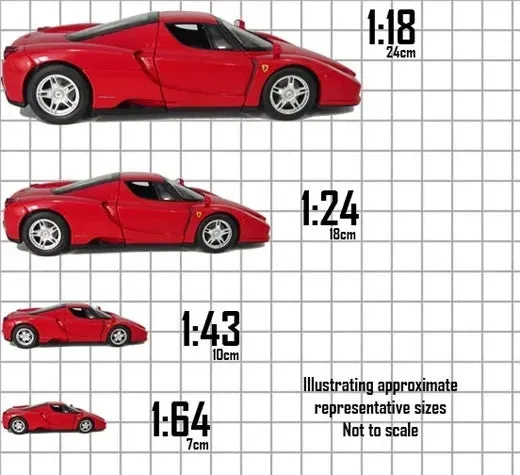
1 18 scale models are among the most popular, offering a good balance between size and detail. These models are larger, allowing for intricate detailing and features like opening doors, hoods, and trunks. They are ideal for collectors who appreciate a high level of realism and have the space to display them. The larger size provides more room for detailed features, from interior appointments to engine components. This scale is often favored for its visual impact and the ability to showcase the model’s features effectively. Due to their size, they are also often more expensive than smaller scale models.
1 24 Scale Models
1 24 scale models are another popular choice, providing a slightly smaller footprint than 1 18 scale models while still offering impressive detail. These models often feature opening parts and detailed interiors, making them attractive to many collectors. This scale is a great compromise between detail and space requirements. They strike a balance between size and affordability, making them accessible to a wide range of collectors. The size allows for detailed features without requiring excessive display space, making them versatile for various collections.
1 43 Scale Models
1 43 scale models are smaller and more compact, making them ideal for collectors with limited space. Despite their smaller size, they can still offer impressive detail, and their affordability makes them a great way to start or expand a collection. This scale is popular for its accessibility and the ability to collect a wide variety of models without needing extensive display space. They are often less expensive than larger scale models, making them an excellent choice for budget-conscious collectors or those new to the hobby. It’s also easy to find more models at this scale.
1 64 Scale Models
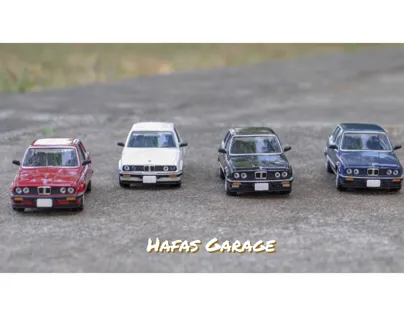
1 64 scale models are the smallest of the commonly collected diecast scales, perfect for those with limited space or who prefer to collect a large number of models. These models are often very affordable and readily available. Although smaller, modern manufacturing techniques allow for surprising detail. This scale is perfect for collectors focused on a wide variety of vehicles. Their small size makes them highly portable, perfect for bringing them on the go. 1 64 scale models are a great option for casual collectors or those who enjoy building large, diverse collections without taking up much space.
Factors Influencing Perceived Size
Several factors can influence how the size of a diecast model is perceived. These factors go beyond the stated scale and can affect how a model looks and feels when compared to others. It’s important to understand that the true scale is just a starting point. These factors influence how the scale of a model is understood by the eye. They’re vital to consider when comparing diecast models. Careful attention to these details ensures a more accurate understanding of size.
Model Details and Their Impact
The level of detail on a model can significantly affect its perceived size. A model with intricate features, such as detailed interiors, realistic engine components, and finely crafted wheels, may appear more substantial and detailed than a simpler model. These details can draw the eye, making the model seem more complex and, consequently, larger. High-quality detailing also enhances the overall visual appeal, making the model seem more valuable and noteworthy. The complexity of details also contributes to a model’s realism, further influencing its perceived size and value.
Manufacturer Variations in Size

Even within the same scale, manufacturers can sometimes produce models with slight variations in size. These differences can result from manufacturing tolerances, design choices, or the specific measurements used during the model’s creation. Collectors should be aware of these variations, as they can affect how models from different manufacturers appear when displayed side by side. Differences may also be due to variations in vehicle designs. Comparing models from different manufacturers may highlight these differences, emphasizing the need for careful observation.
Comparing Dimensions Accurately
Accurately comparing the dimensions of diecast models requires a systematic approach. It’s essential to use the right tools and techniques to ensure an accurate comparison. This approach allows you to compare model sizes effectively. The goal is to understand the true size relationships between models, ensuring you make informed decisions about your collection. This information is important for ensuring you are satisfied with the models you select.
How to Measure Diecast Models
To measure a diecast model, you’ll need to use accurate tools and follow specific steps. These include length, width, and height measurements. Using these methods helps you accurately assess the physical size of the model. It helps you to avoid any perception biases. Precise measurements are essential for understanding the size and scale of the model. This ensures accurate comparisons and helps prevent buying mistakes. This process enables a detailed size analysis, essential for collectors.
Tools for Accurate Measurement

Essential tools for measuring diecast models include a precise ruler or measuring tape, calipers for more detailed measurements, and a flat, stable surface to place the models. The right tools ensure that your measurements are as accurate as possible. Digital calipers are also a great tool to measure small spaces. Choosing appropriate tools is key to achieving accurate measurements. The correct tools will improve your precision and make size comparisons more reliable. Reliable tools are crucial for precise measurements.
Visual Comparison Techniques
Visual comparison techniques provide a quick way to understand the relative sizes of models. Placing models side by side or using comparison photos can give a sense of scale. This method is helpful for a general idea of relative sizes and helps with visualization. Comparing models visually is a fundamental technique. Comparing models visually is useful for identifying size differences. It is especially useful for seeing proportions. These visual comparisons enhance your ability to understand the size relationships between models.
Using Photos and Videos
Photos and videos are helpful for comparing diecast model sizes. Images and videos often include size comparisons. Viewing models in different settings provides a better perspective. Many collectors share their comparisons online, offering invaluable insights. These visual aids can complement actual measurements, providing a more comprehensive understanding. Photos and videos are a great resource for collectors. Use these resources to improve your comparisons.
Benefits of Accurate Size Comparison

Accurate size comparison offers several benefits for diecast model collectors. Understanding the dimensions of models allows collectors to make informed decisions and create a well-organized collection. Accurate size comparison is about more than just knowing the dimensions. It is about ensuring the models are what you expect. This will enhance your overall collecting experience. Accurate comparisons enhance collecting and the overall enjoyment of diecast models.
Choosing the Right Scale For You
Choosing the right scale is a crucial decision for any collector. It depends on several factors, including available space, desired level of detail, budget, and the types of vehicles you wish to collect. Thinking about these things will help you make the best choice. The right scale will depend on your own situation. Considering these factors will guarantee that your collection meets your goals. The right scale selection enhances your enjoyment and satisfaction with your collection.
Collecting and Displaying Models
Once you have a good understanding of diecast model sizes, you can begin to build and display your collection. Proper storage, display techniques, and organization enhance the appearance and value of your models. Displaying models is a satisfying aspect of collecting. With the right tools, you can make your collection shine.
From the smallest 1 64 scale models to the larger 1 18 scale models, diecast cars are a great hobby. Collecting offers hours of fun and enjoyment. Understanding the different scales available is the first step to building an impressive collection. Accurate size comparison is an important aspect of collecting diecast models. By using the right techniques and paying attention to detail, collectors can create a well-organized and visually appealing collection.