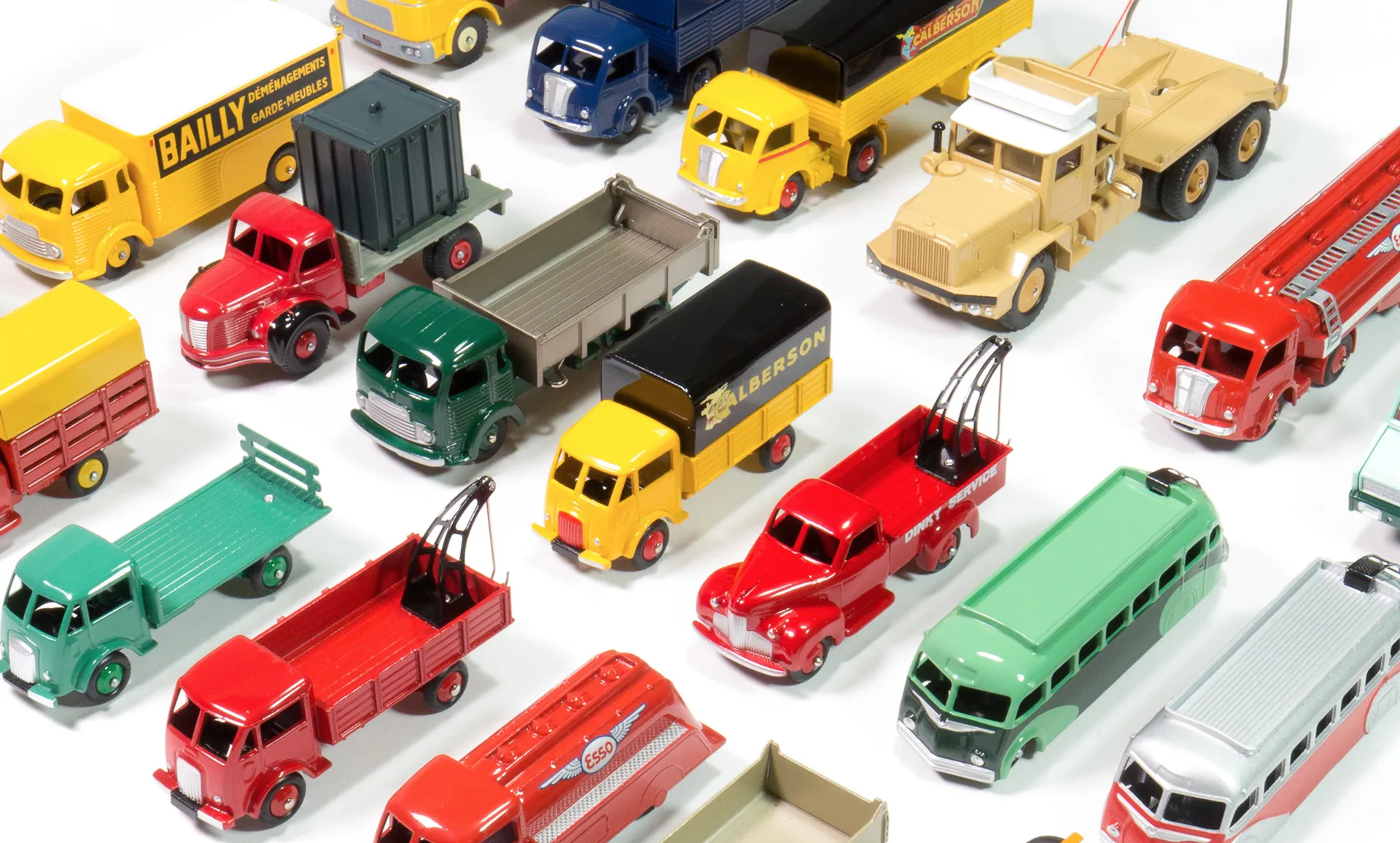
What are Diecast Models
Diecast models are miniature replicas of vehicles, machinery, or other objects, manufactured using a die-casting process. These highly detailed models are typically made from metal, often with plastic or other materials for detailing. Diecast models shows capture the essence of their full-sized counterparts, offering collectors a tangible connection to their favorite vehicles, historical periods, or interests. These models are not only fun to collect, but also can become significant investments, with rare or vintage models fetching high prices. The attention to detail, from the paint job to the interior, is what sets diecast models apart, appealing to a wide range of enthusiasts, from casual hobbyists to serious collectors. The hobby provides a way to appreciate design, engineering, and history in a miniature format, making it a rewarding pastime for people of all ages. Diecast model shows are great events to find many of them.
The Origins of Diecast Models
The history of diecast models dates back to the early 20th century, evolving from simple toys to sophisticated collectibles. The die-casting process itself, which involves injecting molten metal into molds, allowed for the mass production of highly detailed objects at a relatively low cost. This innovation revolutionized the toy industry, paving the way for the creation of intricate and realistic miniature vehicles. Early diecast models were primarily made of lead and were quite basic in design. However, as technology improved and manufacturing techniques evolved, the quality and complexity of these models increased dramatically, attracting more and more collectors. Diecast model shows have been around for a long time now, so they are not new.
Early Production

Early diecast model production focused on simplicity and durability, with models designed to withstand the wear and tear of childhood play. These initial models often lacked the intricate details seen in modern diecast cars, but they were robust and affordable, quickly becoming popular among children. Early manufacturers like Dinky Toys and Matchbox played a crucial role in popularizing the concept of diecast models, setting the stage for future developments. The focus was more on play value rather than accuracy. The materials used were quite basic, but they served their purpose, and these vintage models remain highly sought after by collectors today. The early days of diecast models represent a fascinating chapter in toy history, with these early models offering a glimpse into the evolution of toy design and manufacturing.
Materials Used in Diecast Models
The quality and realism of diecast models are heavily influenced by the materials used in their construction. Diecast models typically use a combination of metal alloys, such as zinc alloys, for the main body and chassis, providing weight and durability. Plastic components are used for finer details like the interior, wheels, and other design elements. These materials are chosen for their ability to replicate the appearance and feel of the original vehicles, while still being suitable for mass production. The combination of materials allows manufacturers to create highly detailed and accurate models. Diecast model shows allow you to see how they are constructed.
Metal Alloys
Zinc alloys are commonly used in diecast models because they provide an excellent balance of strength, cost-effectiveness, and ability to capture fine details. These alloys can be cast into intricate shapes, allowing for the replication of complex designs. Other metals, such as aluminum, may also be used, particularly in more premium models. The metal components provide the weight and structural integrity of the model, giving it a realistic feel. The choice of metal alloy impacts the model’s durability and the ability to hold paint and finishes. Modern diecast models often include a high percentage of metal to increase the model’s quality.
Plastic Components

Plastic components are essential for providing the fine details and aesthetic elements in diecast models. Plastics are used for interior features, wheels, lights, and other small parts that require intricate designs and bright colors. The use of plastic allows for greater flexibility in design and manufacturing, as well as enabling the use of a wide variety of colors and textures. High-quality plastics are crucial for durability and the overall visual appeal of the model. These plastics can mimic many different materials, allowing manufacturers to create extremely realistic models. In diecast model shows you can see the quality in detail.
Scale Matters
Scale is a fundamental aspect of diecast models, dictating the size of the model relative to the actual vehicle it represents. Common scales, such as 1:18, 1:24, and 1:64, have become industry standards, ensuring consistency across manufacturers and allowing collectors to easily compare and display their models. Scale not only affects the size of the model but also influences the level of detail that can be incorporated. Larger-scale models typically offer more intricate details, while smaller-scale models are favored for their affordability and ease of collection. The correct scale is essential for the authenticity of a diecast model. In diecast model shows you can compare scales.
Common Scales
The most popular scale is 1:18, offering a good balance between detail and size, making it a favorite among serious collectors. 1:24 is also a popular scale, often used for more affordable models with a slightly lower level of detail. 1:64 scale is used by brands like Hot Wheels and Matchbox, making it the ideal for mass collection. The scales affect the prices of the items. Each scale has its advantages and disadvantages, but the choice depends on personal preference and collecting goals. These scales are well-established and widely recognized, providing a common language for collectors around the world.
Why Collect Diecast Models

Collecting diecast models offers a unique blend of enjoyment, investment potential, and community engagement. For many, it’s a way to connect with their passion for cars, history, or design. The detailed craftsmanship and the tangible experience of owning these miniature vehicles are a source of immense satisfaction. The sense of nostalgia for certain models or periods also drives many collectors. Diecast models are an example of the importance of collecting.
Investment Potential
Certain diecast models have proven to be sound investments, appreciating in value over time, especially limited edition or vintage models. Rarity, condition, and historical significance are key factors that influence a model’s value. The market for collectible diecast models has grown, with online auctions, specialized dealers, and diecast model shows providing avenues for buying and selling. Collectors often find the financial aspect of the hobby rewarding, as it adds another layer of value to their collection. There are also a lot of diecast model shows with trading and exchanging available.
Nostalgia and Hobby
Many collectors are driven by nostalgia, seeking to own models of cars they loved as children or that represent a particular era. The hobby offers a way to revisit cherished memories and appreciate the design and engineering of classic vehicles. Collecting diecast models becomes a deeply personal experience, providing a connection to the past. The act of collecting, organizing, and displaying these models offers a calming and engaging hobby, providing a sense of accomplishment and focus. The satisfaction of finding rare or sought-after models adds an extra layer of enjoyment.
Display and Community

Diecast models make fantastic display pieces, whether arranged in a dedicated cabinet, a shelf, or a custom diorama. The visual appeal of a well-curated collection is a source of pride and pleasure for collectors. The community of diecast model enthusiasts is active and supportive. There are online forums, social media groups, and diecast model shows where collectors can share their passion, trade models, and connect with like-minded individuals. The ability to share your collection and knowledge adds a social dimension to the hobby, fostering friendships and a sense of belonging. Displaying them is very important in a diecast model show.
Top Brands in the Diecast Model World
Several brands have established themselves as leaders in the diecast model industry, producing high-quality models and shaping the landscape of collecting. These brands offer a wide range of models, from classic cars to modern supercars. The reputation of a brand often influences the value and desirability of a model. Diecast model shows often have some of those brands there.
Hot Wheels
Hot Wheels is one of the most recognizable names in the diecast model world, known for its colorful and dynamic designs. The company caters to a younger audience, focusing on affordability and playability. Hot Wheels offers a wide variety of models, from classic cars to original creations. Their models are very popular among children. Hot Wheels has a strong community and hosts numerous events and collector shows worldwide, where collectors can buy and sell models. Hot Wheels are very easy to find in any diecast model show.
Matchbox

Matchbox is another iconic brand, celebrated for its realistic and detailed models of everyday vehicles. Matchbox offers a wide variety of cars and focuses on authenticity. The models have a long history and are highly prized by collectors. The brand has a global presence. Matchbox has also expanded into the premium market, producing high-quality models. You can find many Matchbox models at any diecast model show.
Other Notable Brands
Other popular brands include brands like Autoart, known for their high-end, meticulously detailed models, and Minichamps, which is known for its historical accuracy. Each brand brings its own unique style and focus to the hobby, providing collectors with a wide range of choices. These brands cater to specific niches and interests, ensuring that there is something for every collector. Those brands make diecast model shows more interesting.
Tips for Collecting Diecast Models
Building a successful diecast model collection requires careful planning, research, and a bit of luck. Whether you are just starting out or looking to enhance your existing collection, here are some key tips to help you on your journey. Start by establishing a clear focus or theme for your collection. This could be a specific brand, era, or type of vehicle. This will help guide your choices and prevent your collection from becoming too scattered. Next, research and educate yourself about the models, their history, and their value. Join online forums and social media groups to connect with other collectors and learn from their experience. Also remember that the condition of the model is very important.
Condition and Value
The condition of a diecast model has a significant impact on its value and desirability. Models in mint condition, with original packaging, are generally more valuable than those with signs of wear and tear. When assessing a model, carefully inspect the paint, details, and any moving parts to ensure that they are in good condition. Taking care of your models to prevent damage is very important. Clean them regularly and store them in a climate-controlled environment, away from direct sunlight. For more valuable models, consider purchasing protective cases. The value of models increases in diecast model shows.
Storage and Display
Proper storage and display are essential for preserving the condition and value of your diecast models. Models should be stored in a cool, dry place, away from direct sunlight, which can fade the paint. Consider using display cases to protect your models from dust and damage. Organize your collection in a way that suits your style and preferences. Some collectors prefer to arrange their models by brand, scale, or type, while others choose to create themed displays. The most important thing is to display your models in a way that showcases their beauty and allows you to enjoy your collection. You can find many display cases in any diecast model show.
Where to Find Diecast Models
Diecast models are available through various channels, from online marketplaces to specialty shops and shows. The best approach depends on your budget, the type of models you are looking for, and your comfort level with online transactions or in-person shopping. Explore the various options to discover the best ways to grow your collection and connect with other enthusiasts.
Online Marketplaces

Online marketplaces like eBay and specialized diecast model websites offer a vast selection of models, from common releases to rare and vintage pieces. Online shopping provides the convenience of browsing and purchasing models from the comfort of your home, often at competitive prices. However, always exercise caution when buying online. Check the seller’s feedback, read the product descriptions carefully, and request additional photos if needed. Online marketplaces are also a good way to sell your own models. You can also see some online marketplaces at the diecast model shows.
Specialty Shops and Shows
Specialty diecast model shops offer a curated selection of models, often with expert advice and personalized service. These shops are a great place to find specific models. They often have a vast inventory and a lot of hard-to-find models. Diecast model shows are also valuable. You can find them in many places, where collectors and dealers come together to buy, sell, and trade models. These shows offer a unique opportunity to see models, interact with other collectors, and discover hidden treasures. You will also find expert advice on the models. You can find great models in diecast model shows.
The Future of Diecast Models
The future of diecast models is promising, with technology continuing to evolve. Manufacturers are using innovative techniques to create models with even greater detail and realism. The increasing popularity of collecting and the growing interest in classic cars and automobiles suggest a sustained demand for diecast models. The market may expand to include more interactive features, and the integration of digital technologies is a possibility. Diecast models are a great hobby.