What are Diecast Tuner Cars
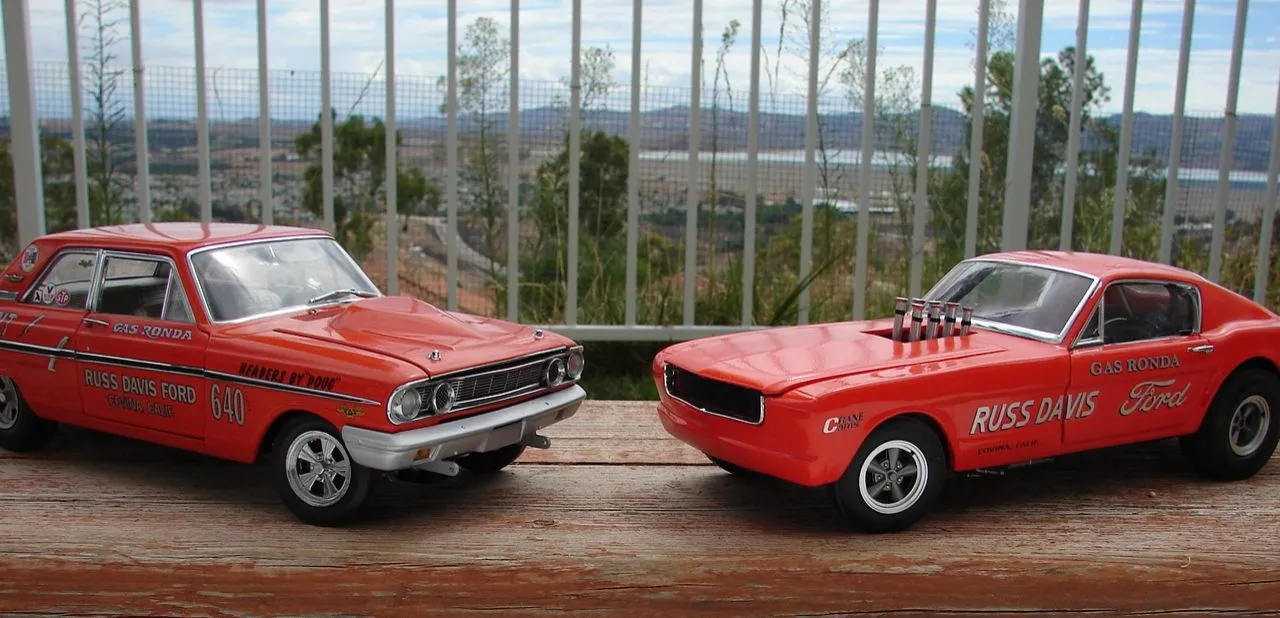
Diecast tuner cars represent a fascinating intersection of automotive enthusiasm and the world of scale modeling. These miniature marvels are meticulously crafted replicas of real-life tuner cars, vehicles that have been modified with performance upgrades and aesthetic enhancements to boost their power and visual appeal. More than just toys, diecast tuner cars are highly collectible items, prized for their intricate details, accurate representations of iconic vehicles, and the ability to capture the spirit of automotive customization. They offer enthusiasts a way to appreciate the artistry of tuning and the beauty of these modified machines, even if they cannot own or drive the full-size versions. The appeal of these miniature replicas lies in their accessibility and the sense of community they foster among collectors and enthusiasts.
History and Evolution
The history of diecast tuner cars mirrors the evolution of the tuning culture itself. As automotive customization gained popularity in the late 20th and early 21st centuries, manufacturers began producing scale models of these modified vehicles. Early examples were relatively basic, but as demand grew, so did the complexity and realism of the models. Companies like Hot Wheels and Matchbox started the trend, but dedicated diecast model manufacturers soon followed, creating highly detailed replicas with accurate paint schemes, realistic engine components, and interior details. The evolution paralleled the development of automotive tuning, with models reflecting the latest trends in performance upgrades, body kits, and wheel designs. This evolution continues today, with manufacturers constantly pushing the boundaries of realism and detail in their diecast tuner car models, reflecting the latest innovations and styles in the automotive world.
Popular Brands and Scales
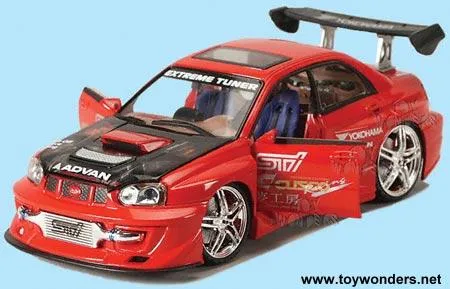
Several brands have become synonymous with diecast tuner cars, each offering unique strengths and specialties. Hot Wheels and Matchbox, pioneers in the diecast world, produce a wide range of tuner cars, known for their affordability and diverse designs. Other brands, such as Autoart, Kyosho, and Tarmac Works, cater to the high-end collector market, creating incredibly detailed models in various scales. The most common scales for diecast tuner cars include 1:18, 1:24, and 1:43, with 1:18 being a popular choice for its balance of detail and display size. Each scale provides a different level of detail and allows for different levels of customization. The choice of scale often depends on personal preference, available display space, and budget. Each brand and scale offers a unique entry point into the hobby, ensuring there’s a diecast tuner car for everyone.
Secrets of Diecast Tuner Cars
Detailing and Customization
The allure of diecast tuner cars extends beyond mere aesthetics; the potential for customization is a major draw. Many collectors enjoy modifying their models to reflect their own preferences or replicate specific real-world tuner cars. Detailing and customization can range from simple modifications to extensive overhauls. This includes adding aftermarket decals, upgrading wheels and tires, and even repainting the entire model. Some enthusiasts go as far as modifying the engine bay, interior, and suspension to create ultra-realistic replicas. The level of detail achievable is truly impressive, and it requires skills in painting, model building, and a deep understanding of automotive modifications. This ability to personalize their models is a key reason why diecast tuner cars are so popular among collectors and enthusiasts, fostering a strong sense of creativity and ownership.
Paint and Finishing Techniques

Paint and finishing are crucial aspects of a high-quality diecast tuner car. Accurate paint schemes and flawless finishes are essential for capturing the look of a real tuner car. Many manufacturers use advanced painting techniques, including multiple layers of paint and clear coats, to achieve a realistic and durable finish. For customizers, selecting the right paints and applying them with precision is paramount. Techniques like airbrushing, weathering, and pin-striping can enhance the level of detail. The paint job isn’t just about color; it’s about the overall presentation and the ability to bring the model to life. The perfect paint job will showcase the car’s details and catch the eye of any admirer, making it a focal point of the collection.
Engine and Performance Upgrades
While many diecast tuner cars feature detailed engine bays, some enthusiasts take it a step further by adding or modifying engine components. This can include adding turbochargers, intercoolers, or even custom exhaust systems. These enhancements are usually done with aftermarket parts, such as photo-etched components and resin parts. While engine modifications may not affect the car’s performance, they significantly enhance the visual appeal, making the model even more realistic. Some collectors will create entire engine swaps or add other mechanical enhancements. Detailing the engine bay can also involve adding wiring, hoses, and other intricate details to create a truly accurate miniature representation of a modified engine. This level of detail showcases the owner’s dedication and skill, making each model a unique work of art.
Wheels and Suspension Modifications
Wheels and suspension are often the most visible modifications on a tuner car, and the same applies to diecast models. Collectors frequently swap out the stock wheels for more aggressive aftermarket options, changing the overall stance and appearance of the car. This can include low-profile tires, custom rims, and lowered suspension setups. Many modelers use resin parts or custom-made components to achieve the desired look. Suspension modifications can involve lowering the ride height, adding coilovers, or altering the suspension geometry. These changes not only enhance the visual appeal but also allow modelers to create a realistic representation of a car that has been professionally tuned. The right wheels and suspension mods can transform a standard model into a head-turning replica.
Decals and Graphics

Decals and graphics are a crucial part of the customization process, allowing collectors to replicate specific tuner cars or add their own personal touch. Aftermarket decal sheets are widely available, providing options for various sponsor logos, racing stripes, and custom graphics. Applying these decals requires careful precision and attention to detail. Modelers often use decal setting solutions to ensure the decals conform to the surface contours and adhere properly. The choice of decals can reflect a car’s history, a collector’s personal preferences, or even a fictional storyline. The addition of decals and graphics can significantly enhance the realism and visual impact of a diecast tuner car, making each model a unique representation of automotive culture.
Collecting and Displaying
Choosing the Right Display
Proper display is essential for showcasing and protecting your diecast tuner car collection. There are several display options available, from simple shelves and display cases to elaborate custom setups. Display cases protect the models from dust, sunlight, and accidental damage. Shelves can be used to create a visually appealing arrangement, allowing collectors to group models by brand, scale, or theme. The lighting is an important consideration; LED lighting can enhance the details and make the models more visually appealing. The choice of display should reflect the collector’s personal style and the size of their collection. It’s about creating a showcase that allows each model to shine, making the entire collection a source of pride and enjoyment. The right display also helps to protect the models, preserving their value and ensuring they remain in pristine condition.
Protecting Your Collection

Protecting your diecast tuner car collection is crucial for preserving its value and ensuring it remains in excellent condition. Dusting the models regularly and storing them in a controlled environment is vital. Direct sunlight can cause paint to fade, and extreme temperatures or humidity can damage the models. Display cases provide excellent protection, preventing dust accumulation and minimizing the risk of accidental damage. Handling the models with care is essential, and it is best to avoid touching them directly. By taking these steps, collectors can preserve their investment and keep their diecast tuner cars looking their best for years to come. Careful storage and handling practices are key to preserving the beauty and value of a diecast collection, making it a worthwhile investment for any enthusiast.
Where to Find Diecast Tuner Cars
Online Retailers and Marketplaces
The internet is a vast resource for finding and purchasing diecast tuner cars. Online retailers such as Amazon, eBay, and specialty diecast shops offer a wide selection of models from various brands. Online marketplaces provide access to both new and used models, allowing collectors to find rare or discontinued items. These platforms also offer reviews and ratings, helping buyers make informed decisions. Regularly checking these online sources is essential for staying up-to-date on new releases and finding the best deals. The convenience of online shopping, combined with the vast selection, makes it the preferred choice for many collectors. Finding the right model is simple with online options.
Specialty Shops and Events
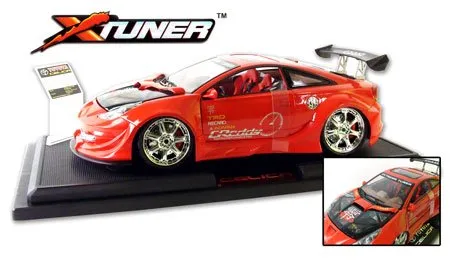
Specialty shops and automotive events are excellent places to discover and purchase diecast tuner cars. These shops often have knowledgeable staff and carry a curated selection of models, and can provide valuable insight and advice. Diecast shows and swap meets are also great opportunities to find rare models and connect with fellow collectors. Attending these events allows collectors to see models in person, examine their details, and often negotiate prices. Specialty shops and events provide a sense of community and provide a hands-on experience that online shopping cannot replicate. These in-person experiences are valuable for connecting with other collectors and deepening one’s appreciation for diecast tuner cars.
The Future of Diecast Tuner Cars
The future of diecast tuner cars looks bright, with continued innovation and a growing community of enthusiasts. As technology advances, manufacturers are likely to incorporate even greater levels of detail, possibly including functional features. The use of 3D printing and other advanced manufacturing techniques could lead to even more intricate and customizable models. The rise of electric vehicles and alternative fuel technologies will also influence the types of tuner cars that are modeled, reflecting the changing landscape of the automotive industry. The diecast hobby continues to evolve, and it is likely to grow in popularity as new generations discover the joy of collecting and customizing these miniature works of art. The future of diecast tuner cars is an exciting one, with countless possibilities for creativity and innovation.