The Allure of Hubley Diecast Airplanes
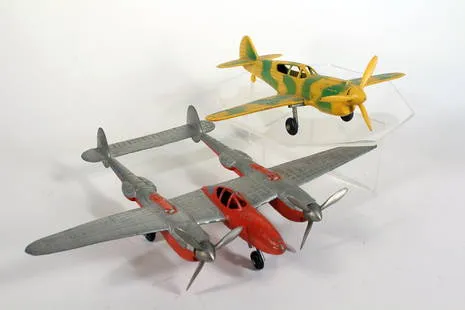
Hubley diecast airplanes hold a special place in the hearts of collectors and aviation enthusiasts alike. Their enduring appeal stems from a combination of factors the historical significance of the aircraft they represent, the quality of their craftsmanship, and the nostalgic connection they evoke. These miniature marvels offer a tangible link to the golden age of aviation, capturing the spirit of innovation and adventure that defined the early years of flight. Owning a Hubley diecast airplane is like holding a piece of history, a testament to a bygone era when airplanes were symbols of progress and dreams of soaring through the skies.
Early Hubley Production & Historical Context
The Hubley Manufacturing Company, founded in 1894, initially produced cast-iron toys before transitioning to diecast metal in the early 20th century. This shift marked a significant turning point, allowing for greater detail and more intricate designs in their products. During the mid-20th century, Hubley’s diecast airplanes became highly sought after, coinciding with a period of rapid advancements in aviation technology. The company’s output reflected the evolving landscape of aircraft design, from classic biplanes to sleek jetliners, making them not just toys but also accurate representations of their time. The historical context is critical; understanding the period when these models were created adds depth to their value, as they represent technological and cultural milestones.
Materials and Manufacturing Techniques

The creation of Hubley diecast airplanes was a complex process, involving skilled craftsmanship and innovative manufacturing techniques. The primary material used was typically zinc alloy, known for its ability to capture fine details and its durability. This alloy, when injected into molds under high pressure, allowed for intricate designs that would have been impossible with other materials. The manufacturing process itself was a combination of art and science, with skilled workers responsible for the tooling, molding, and finishing of each model. This careful attention to detail is a hallmark of Hubley toys, making them stand out from other mass-produced items of the era.
Zinc Alloy Diecasting and Detailing
The use of zinc alloy was crucial to the success of Hubley diecast airplanes. Zinc alloy diecasting enabled the creation of highly detailed models, accurately reflecting the shapes and features of real aircraft. This process involved forcing molten zinc alloy under high pressure into steel molds, which were precisely crafted to capture every curve, panel line, and rivet of the aircraft. The resulting models were then meticulously finished, with any imperfections removed and additional details added by hand. The precision of the diecasting process allowed Hubley to produce models that were both visually appealing and remarkably accurate, enhancing their appeal to collectors and enthusiasts.
Paint and Finishing Processes
Once the diecasting was complete, the airplanes underwent a series of finishing processes, including painting and detailing. The paint was carefully applied, often using multiple colors and techniques to replicate the liveries of real aircraft. Hubley’s attention to detail extended to the finishing touches, such as the application of decals, which further enhanced the realism of the models. These finishes not only made the models visually appealing but also protected the zinc alloy from corrosion. The quality of the paint and finishing processes is a key factor in determining the value of a Hubley diecast airplane, with models in pristine condition highly sought after by collectors.
Top 5 Facts About Hubley Diecast Airplanes
Fact 1: The Golden Age of Flight
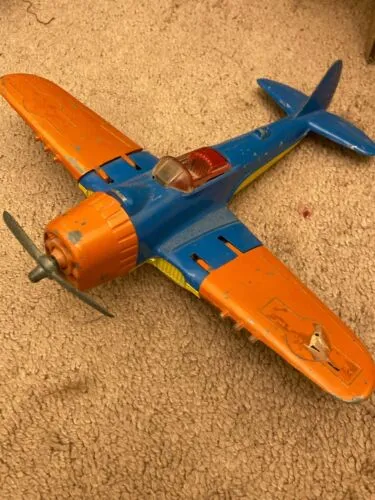
Hubley diecast airplanes capture the essence of the golden age of flight, a period of rapid innovation and daring adventure in aviation history. The models accurately represent iconic aircraft from this era, including biplanes, early monoplanes, and the first generation of jetliners. This historical context makes these models highly valuable to collectors and enthusiasts. They offer a tangible link to a time when aviation was a symbol of progress and excitement, allowing owners to connect with the spirit of innovation that defined the early years of flight. They were also often linked with popular culture, appearing in movies, comics, and other media.
Fact 2: Historical Significance of the Aircraft
Each Hubley diecast airplane represents a specific aircraft model, often with historical significance. The models were not just toys; they were miniature replicas of planes that played a role in significant events, from pioneering flights to wartime operations. The level of detail and accuracy in these models makes them valuable for understanding the evolution of aircraft design and technology. Collectors often seek models of rare or historically important aircraft, which adds to the intrinsic value and allure of these collectibles. Knowing the history of each model provides a deeper appreciation for the craftsmanship and the era it represents.
Fact 3: The Rarity and Value

The rarity of Hubley diecast airplanes directly impacts their value. Some models, particularly those produced in limited quantities or those that are well-preserved, command high prices in the collector’s market. The scarcity of certain models is often due to production runs, the survival rate of the toys, and the overall condition of the pieces. Factors such as original packaging, accompanying paperwork, and the presence of original accessories can significantly increase the value. Collectors are always on the lookout for rare pieces, making these models not only cherished items but also potential investments that can appreciate over time.
Fact 4: Model Variations
Hubley diecast airplanes come in various model variations, adding complexity and excitement to collecting. These variations can include different paint schemes, decal placements, and even minor changes in the design of the models. Variations are often the result of different production runs or adaptations made to meet market demands. Collectors often specialize in specific variations of particular models, adding depth to their collections. Identifying and understanding these variations requires detailed research, and it’s a key aspect of the hobby for serious collectors. The hunt for different variations adds a layer of challenge and satisfaction to the collecting experience.
Fact 5: Collectibility and Condition
The collectibility of Hubley diecast airplanes is driven by their historical significance, rarity, and condition. Models in excellent condition are highly prized by collectors, as they showcase the original details and finishes of the toy. The condition of a Hubley airplane is a primary factor in determining its value, with pristine examples often fetching premium prices. Collectors assess the condition of their models based on a scale, taking into account factors such as paint wear, the presence of scratches, and the functionality of moving parts. Preserving and protecting these models is crucial, as it maintains their value and ensures their longevity.
Identifying and Evaluating Hubley Models

Recognizing Authentic Hubley Airplanes
Authenticating a Hubley diecast airplane involves careful examination of its construction, markings, and overall appearance. Genuine Hubley models are usually marked with the company’s name and sometimes the model number or aircraft type. Collectors need to familiarize themselves with the characteristics of authentic Hubley models, including the materials used, the paint finishes, and the quality of the detailing. Identifying fakes or reproductions requires a keen eye and detailed knowledge of the manufacturing techniques used by Hubley. Comparing the model to known authentic examples, consulting reference guides, and seeking expert opinions can help ensure authenticity.
Assessing Condition and Determining Value
Assessing the condition of a Hubley diecast airplane is crucial for determining its value. Collectors use a grading scale to evaluate the condition of their models, considering factors such as paint condition, the presence of scratches or wear, and the functionality of moving parts. Models are often graded from mint to poor, with mint condition examples being the most valuable. The value is also influenced by the rarity of the model, its historical significance, and the presence of original packaging or accessories. Researching recent sales of similar models and consulting with experienced collectors can provide valuable insights into the market value of a particular piece.
Caring for and Preserving Your Collection

Caring for and preserving Hubley diecast airplanes requires careful handling and storage to protect them from damage. Collectors should handle their models with clean hands and avoid exposing them to extreme temperatures or direct sunlight. Displaying models in a dust-free environment can help prevent damage to the paint and finishes. Proper storage is also essential, with models ideally stored in a cool, dry place away from moisture and excessive heat. Regular cleaning with a soft cloth can help remove dust and debris. By taking these precautions, collectors can ensure that their Hubley diecast airplanes remain in excellent condition for years to come, preserving their value and their historical significance.