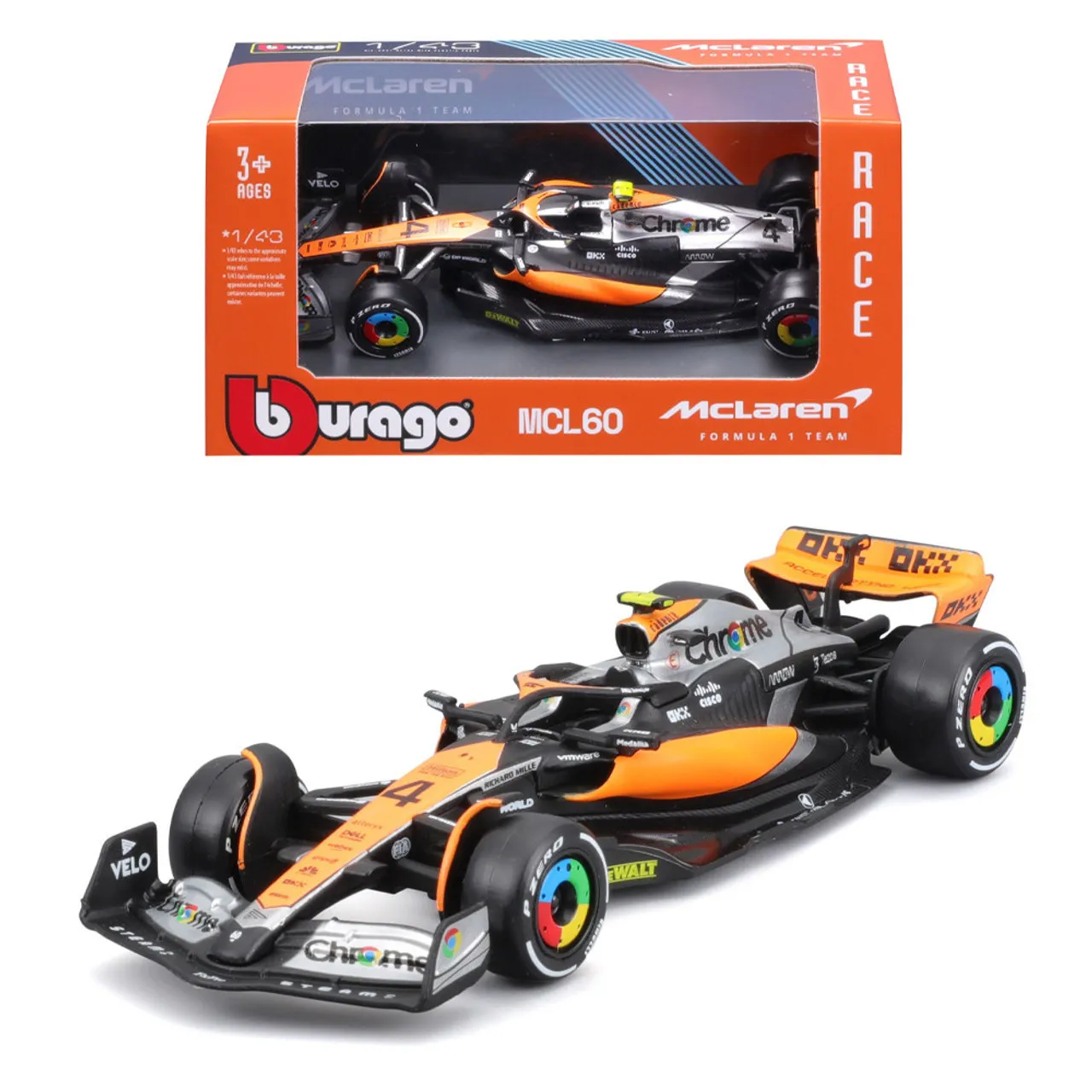
What Are Large Scale Diecast Cars?
Large scale diecast model cars are highly detailed, miniature replicas of real-life automobiles, meticulously crafted from diecast metal and other materials. These models are prized by collectors and enthusiasts for their accuracy, realism, and the level of detail they exhibit. Unlike simple toy cars, large scale diecast models are designed to replicate every aspect of the original vehicle, from the exterior body and paintwork to the interior details and engine components. The term “large scale” refers to the size ratio of the model compared to the actual car, with various scales available, each offering a unique collecting experience. They are not just toys; they are miniature works of art, reflecting the design and engineering of the original vehicles. The hobby attracts a diverse group of individuals, united by their passion for automobiles and the artistry of model making. They are often used as display pieces, conversation starters, and valuable additions to any car enthusiast’s collection.
Why Collect Large Scale Models?
Collecting large scale models offers a unique blend of passion, investment, and enjoyment. One of the primary reasons people collect these models is the sheer love of automobiles. For many, it’s an extension of their fascination with cars, allowing them to own and appreciate miniature versions of their dream vehicles. The level of detail in these models is often astounding, providing a close-up look at the design and engineering of various cars. Furthermore, collecting can be a rewarding investment. Limited-edition models, those in mint condition, or replicas of historically significant cars can appreciate significantly in value over time. This can turn a hobby into a tangible asset. Beyond the financial aspect, collecting is also about building a personal collection that reflects individual tastes and interests. It can be a source of pride and a way to connect with other enthusiasts, sharing knowledge and passion within a vibrant community. The models serve as a tangible connection to the world of automobiles, bringing joy and satisfaction to those who appreciate them.
Scale Sizes Explained

Scale sizes in diecast model cars determine the ratio between the model’s dimensions and the actual car’s dimensions. These scales are expressed as a fraction, where the denominator represents the number of times the model is smaller than the real car. For example, a 1:18 scale model is 1/18th the size of the original vehicle. Different scales cater to various preferences and collecting purposes. Smaller scales offer the advantage of requiring less display space, while larger scales provide greater detail and visual impact. The most common scales include 1:18, 1:24, and 1:43, with each having its own dedicated following. The choice of scale often depends on personal preference, available display space, and the types of cars that are most appealing to collect. Understanding scale is crucial for assessing the size of a model and how it will fit within a collection. Collectors consider the scale to maintain consistency and ensure their models are proportionate to each other. Proper consideration of scale is the bedrock of building a cohesive and visually pleasing model car collection.
The Most Popular Scales
Several scales dominate the large scale diecast model car market, each offering distinct advantages and catering to different collector preferences. 1:18 scale is arguably the most popular, providing a good balance between size and detail. These models are large enough to showcase intricate features but still manageable for display. 1:24 scale is another widely collected scale, offering a slightly smaller footprint, making it suitable for those with limited display space. These models often provide a cost-effective way to expand a collection. Finally, 1:12 scale is a premium option, offering unparalleled detail and a commanding presence. However, these models require a significant amount of display space and typically come with a higher price tag. The choice of scale often depends on the collector’s budget, available space, and the level of detail they desire. Each scale has a dedicated following, and models from different scales can often be mixed and matched in a collection, adding to the overall diversity and interest.
1 18 Scale
1:18 scale is a particularly popular choice for many collectors, offering an excellent balance between size, detail, and affordability. Models in this scale are typically around 10-12 inches in length, allowing for a high level of detail without taking up excessive space. This size enables manufacturers to include intricate features such as opening doors, hoods, and trunks, detailed engine compartments, and realistic interior components. The visibility of the detail makes them ideal for collectors who appreciate the craftsmanship. They are often made with diecast metal bodies and feature high-quality paint finishes, enhancing their visual appeal. Given their size and detail, 1:18 scale models provide an excellent value proposition, offering a premium collecting experience without necessarily breaking the bank. This balance makes them a favorite among both novice and experienced collectors, fueling the continuous availability of diverse models from various automotive eras and manufacturers.
1 12 Scale

1:12 scale models represent the pinnacle of detail and realism in the diecast car collecting world. These models are considerably larger than their 1:18 counterparts, often measuring 14-18 inches in length, which allows for an even higher level of detail. The increased size permits manufacturers to incorporate extremely intricate features, such as fully detailed engine compartments, functional steering, and incredibly realistic interiors, often using materials like fabric for seats and rubber for tires. The larger size allows for a much more immersive collecting experience, providing a close-up look at every aspect of the car’s design. However, with greater size comes a higher price tag and the need for considerable display space. These models are typically produced in limited quantities, making them highly sought after by serious collectors. Despite their cost, 1:12 scale models offer an unparalleled level of detail, making them a centerpiece of any collection that is both visually striking and a testament to the model maker’s skill.
1 24 Scale
1:24 scale models represent a more accessible and budget-friendly option for collectors, offering a detailed representation of vehicles in a smaller, more manageable size. These models are typically around 7-9 inches in length, making them ideal for collectors who want to build a diverse collection without requiring a lot of display space. While the detail may not be as intricate as in the larger scales, manufacturers still strive to provide a high level of realism, including opening doors, detailed interiors, and accurate paint jobs. The availability of 1:24 scale models is vast, with a wide range of vehicles and manufacturers represented. This scale is particularly attractive to those new to collecting, providing an affordable way to start a collection. It also allows collectors to expand their collection rapidly and often complements collections in other scales. The smaller size is a great benefit if you are tight on space, or just starting to collect and are looking to dip your toes in the collecting world.
Materials Used in Large Scale Diecast Cars
The quality and materials used in large scale diecast model cars significantly impact their overall appearance, durability, and value. Diecast metal is the most common material used for the body, providing weight and a realistic feel. This material allows for fine details and a solid construction. The metal is typically a zinc alloy, which ensures the model can be detailed without issue. Other materials, such as plastic, are used for interior components, wheels, and other parts where flexibility or specific textures are desired. Plastic is often used for dashboards, seats, and various trim details. Rubber is commonly employed for tires, providing a realistic appearance and texture. Some high-end models may even feature fabric for seat upholstery and other interior details, enhancing realism. The combination of these materials, and the meticulous attention to their application, gives the model cars their high-quality feel and aesthetic value, making them a joy to collect.
Metal

Metal, specifically diecast metal, is the core material of most large scale model cars, forming the body and providing the fundamental structure. This alloy, typically a mixture of zinc, aluminum, and copper, is chosen for its ability to replicate fine details and its ability to withstand the pressure of mold casting. Diecast metal gives the models a substantial weight, which adds to their realism and quality feel. The use of metal allows for the intricate details that make these models so appealing, such as sharp body lines, precise panel gaps, and detailed engine components. The process of die casting involves pouring molten metal into molds, allowing manufacturers to create highly accurate and detailed miniature vehicles. The quality of the metal and the precision of the die-casting process directly impact the model’s overall aesthetic appeal. Well-made metal models feel more premium, and their durability ensures they can withstand the test of time, becoming cherished items in any collection.
Plastic
Plastic plays an essential role in the construction of large scale diecast models, serving various functional and aesthetic purposes. Unlike the metal body, plastic components offer flexibility, making them ideal for parts requiring complex shapes or textures. Plastic is extensively used for interior components like dashboards, seats, and door panels, allowing for intricate detailing and color variations. This material enables manufacturers to create realistic interiors that closely mirror the original cars. Additionally, plastic is often used for the wheels, headlights, taillights, and other exterior details. This allows for greater design flexibility and the use of clear or translucent materials. The quality of the plastic used also impacts the model’s durability and overall look, with high-quality plastics able to replicate the original car’s design. The effective use of plastic in model car construction contributes significantly to the overall realism and detail of the finished product, making it a key material in the production process.
Rubber
Rubber is a crucial material in large scale diecast models, specifically for the tires. Rubber tires provide a realistic appearance and texture, adding to the model’s overall authenticity. The use of rubber tires allows for a better ground feel, which can enhance the display’s realism. Tire designs also contribute to the vehicle’s visual accuracy. These can be made from a variety of materials and often include tread patterns and sidewall markings that accurately reflect the original car’s tires. The choice of rubber is critical; it must be durable and resistant to cracking or wear, which can affect the model’s appearance over time. In addition to the tires, rubber is also sometimes used for other details, such as weather stripping around doors and windows. The use of rubber gives the model a more complete look, contributing to its realism and making the model cars more appealing to collectors.
Key Features of High Quality Models

High-quality large scale diecast model cars are distinguished by several key features that set them apart from simpler toy models. The level of detail is paramount, with a focus on accurately replicating every aspect of the original vehicle. This includes features like detailed engine compartments, intricate interior designs, and precise exterior detailing. High-quality models boast realistic paint jobs, often using multiple layers and detailed finishing techniques. Opening doors, hoods, and trunks are common features, adding to the model’s interactivity and visual appeal. Functional features, such as steerable wheels and working suspension, are also frequently included. The use of high-quality materials, such as diecast metal, meticulously applied paint, and accurate interior fabrics, adds to the overall quality of the model. Attention to detail extends to the smallest aspects, from the emblems and badges to the realistic appearance of the wheels and tires. These features combine to create models that are both visually stunning and highly accurate representations of their real-world counterparts.
Detailed Interiors
Detailed interiors are a hallmark of high-quality large scale diecast model cars, reflecting a commitment to accuracy and realism. The interior design of these models is meticulously replicated, including everything from the dashboard and instrument panel to the seats, door panels, and center console. Many manufacturers use high-quality materials, like fabric seat covers, to enhance the realism of the interior. Every detail, from the steering wheel and gear shift to the pedals and dashboard gauges, is carefully reproduced. Some models even include seat belts and other interior features, adding to the authentic feel. The goal is to create an interior that looks as close as possible to the original car, making the model more engaging and visually appealing. The level of detail in the interior of the model car enhances its overall appeal, and gives collectors a better sense of appreciation for the craftsmanship. This focus on intricate detailing is a key factor that distinguishes high-quality models from basic toy versions.
Opening Doors and Hoods
Opening doors and hoods are essential features that enhance the interactivity and realism of large scale diecast model cars. These functional features allow collectors to explore the model more thoroughly, providing access to the interior and engine compartments. The opening doors give collectors a closer look at the meticulously detailed interiors, including the seats, dashboard, and door panels. Functional hoods reveal the engine, meticulously replicated with every component. The inclusion of these features significantly increases the model’s visual appeal and adds a layer of enjoyment for collectors who enjoy the hands-on experience of examining every detail. The doors are engineered to swing open smoothly, while the hoods often feature working hinges and supports, just like the real car. These features not only increase the model’s value but also allow collectors to better appreciate the craftsmanship and attention to detail that goes into creating these miniature works of art.
Authentic Paint Jobs

Authentic paint jobs are crucial to the realism and visual appeal of large scale diecast model cars. Manufacturers use advanced painting techniques to replicate the original car’s color and finish accurately. Multiple layers of paint are often applied, providing depth and a glossy, smooth finish that enhances the model’s visual appeal. Details such as metallic flakes, two-tone paint schemes, and even weathering effects are meticulously reproduced to ensure a lifelike appearance. The quality of the paint application is essential, with attention to detail paid to the smoothness of the finish, the absence of imperfections, and the overall consistency of the color. The paint jobs are designed to withstand the test of time, preserving the model’s aesthetic appeal for years to come. A well-executed paint job is a key feature of high-quality models, making them more attractive to collectors. The paint job’s authenticity helps to fully capture the essence of the original vehicle, making it a pleasure to display and admire.
Factors Influencing Value
Several factors influence the value of large scale diecast model cars, making some models more valuable than others. Rarity, condition, and brand are key elements that collectors consider when assessing a model’s worth. Limited edition models, those produced in small quantities, or those with unique features often command higher prices due to their scarcity. The model’s condition significantly affects its value; models in mint condition, with no scratches or defects, are far more desirable than those that show wear and tear. The brand is another critical factor, with well-known manufacturers with reputations for quality and detail often commanding higher prices. The model’s historical significance also plays a role, with models representing iconic cars or significant events often being more valuable. Packaging, included certificates of authenticity, and original accessories can further enhance the model’s value. Understanding these factors is crucial for collectors who wish to assess their collection’s value or make informed purchasing decisions.
Rarity
Rarity is a key factor that significantly influences the value of large scale diecast model cars. Limited edition models, those produced in small quantities or for specific events, are highly sought after by collectors due to their scarcity. The fewer the number of models produced, the more valuable they tend to become. The rarity of a model is often determined by the manufacturer’s production run, the specific features included in the model, and the model’s historical significance. Models that commemorate special occasions, feature unique paint schemes, or are part of exclusive collaborations tend to be rarer than standard releases. Collectors actively seek out rare models, often willing to pay a premium to add them to their collections. The rarity factor adds to the thrill of collecting, as collectors actively search for these elusive models to add to their collections. The models become not only objects of admiration but also valuable assets that can appreciate over time, making rarity an important aspect of the diecast model car market.
Condition

The condition of a large scale diecast model car is a crucial factor in determining its value. Models in mint condition, with no scratches, defects, or wear and tear, are significantly more valuable than those that show signs of use or damage. Collectors often grade the condition of a model based on factors such as the paint quality, the presence of any imperfections, and the functionality of the moving parts. Models that have been carefully stored and displayed with minimal exposure to dust and sunlight tend to retain their value over time. Original packaging, including the box, inserts, and any included accessories, can also enhance the model’s value, as they are a testament to the model’s history. Models that have been restored or repaired may be worth less than those that are entirely original. Collectors carefully inspect a model’s condition before purchasing it, as this significantly impacts the model’s appeal and its potential value. Maintaining the model’s original condition is essential for preserving its value and attracting serious collectors.
Brand
The brand of a large scale diecast model car is a significant factor that influences its value, as certain manufacturers are known for their quality, detail, and collectibility. Brands with a strong reputation for producing high-quality models are often more sought after by collectors and command higher prices. Recognized brands use high-quality materials, meticulous craftsmanship, and attention to detail. Some brands are known for producing limited editions or models that are highly accurate replicas of real-life vehicles. The brand’s reputation and the perceived value of the brand are closely tied to its ability to deliver exceptional products, often making collectors want to collect their entire catalog of cars. The brand also signifies the model’s authenticity and overall value to collectors. The brand is an essential aspect of the overall collectibility and the market value of the diecast model cars. For collectors, choosing models from reputable brands is a sound strategy for building a valuable and satisfying collection.
How to Start Your Collection
Starting a large scale diecast model car collection can be a rewarding hobby, but it’s essential to approach it with a plan. Begin by determining your budget, as prices can vary widely based on scale, brand, and model. Decide what types of cars you want to collect, whether it’s classic cars, modern supercars, or specific makes and models. Research different scales and manufacturers, considering the level of detail and price points. Visit model car shows, online forums, and local hobby shops to learn more and connect with other collectors. Start with a few models that appeal to you, focusing on quality over quantity. Carefully consider the condition of each model before making a purchase. Protect your models from dust, sunlight, and extreme temperatures, and consider displaying them in a dedicated space. Keep track of your collection and document the details of each model. Enjoy the process of building your collection, and don’t be afraid to expand your horizons as you learn more about this fascinating hobby.
Where to Buy Large Scale Diecast Cars
Finding the right place to buy large scale diecast model cars is crucial for expanding your collection. The options range from online retailers to specialty shops and model car shows. Each avenue offers unique advantages, and the best approach often depends on your preferences and needs. Online retailers are a convenient option, offering a vast selection, competitive pricing, and often, detailed product descriptions and customer reviews. Specialty shops are a great choice if you appreciate a more personal touch, offering expert advice and the opportunity to examine models up close. Model car shows provide a unique opportunity to discover rare models and connect with other collectors. The choice of where to buy models can depend on factors such as budget, available time, and how much experience you have with the hobby. A good approach is to combine a variety of sources to ensure access to a wide range of models. The best way to go about it is to find the ideal place to build your collection.
Online Retailers
Online retailers provide a convenient and expansive platform for purchasing large scale diecast model cars. These retailers offer a wide selection, often including a comprehensive range of brands, scales, and models. Online platforms usually provide detailed product descriptions, images, and customer reviews, helping buyers make informed decisions. The convenience of online shopping, with the ability to browse and purchase models from the comfort of home, makes it an attractive option. Online retailers often offer competitive pricing and regular sales, allowing collectors to acquire models at attractive prices. Many online retailers also provide efficient shipping and return policies, making the buying process seamless. However, buyers should be cautious and purchase from reputable sellers to avoid counterfeit models. Reviewing seller ratings and reading customer feedback can help minimize the risk. Many online retailers are a great place to start and grow your collection, from Amazon to other specialty sites.
Specialty Shops
Specialty shops dedicated to diecast model cars offer a unique, personalized, and often more curated shopping experience. These shops, usually staffed by enthusiasts, offer in-depth knowledge and can provide expert advice and insights into different models, brands, and scales. Specialty shops are often located in an area with other collector shops, and in general are a great place to socialize with people. They are a great place to start if you’re looking to have a good collector community and learn more about the hobby. These shops often carry a selection of models that are more rare. The staff can provide valuable information about the history of certain models or the brand and can assist in assessing their value and condition. Many specialty shops also create a strong sense of community, providing collectors with opportunities to connect with like-minded individuals and share their passion. This hands-on approach and personalized service make specialty shops a great option for collectors looking for an immersive experience.
Diecast Model Car Shows
Diecast model car shows are exciting events where enthusiasts gather to buy, sell, trade, and display their collections. These shows bring together collectors, dealers, and manufacturers, creating a vibrant marketplace and social environment. Model car shows provide an unmatched opportunity to discover rare models and find models that are difficult to locate elsewhere. You can often find exclusive models and limited editions. The shows also offer a chance to connect with other collectors, exchange knowledge, and learn from experienced enthusiasts. Many car shows host auctions, contests, and displays, enhancing the overall experience. They provide a hands-on environment to inspect models up close, assess their condition, and engage in negotiations with sellers. Attending car shows is a great way to get involved in the diecast car community, expand your collection, and share your passion. Diecast model car shows are an excellent resource for collectors of all levels, offering a rewarding way to build your collection while engaging with a community of passionate enthusiasts.