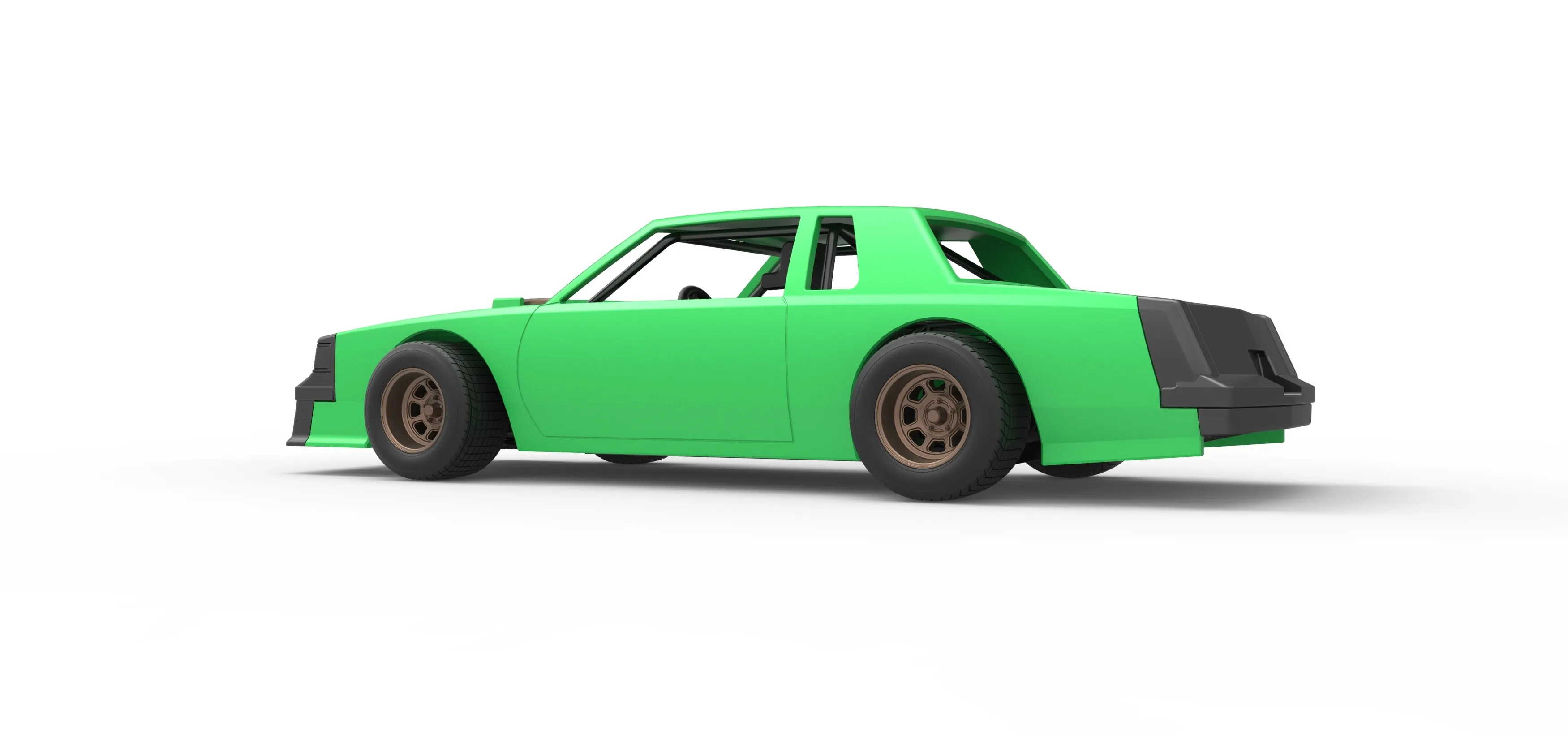
What are Late Model Race Cars?
Late model race cars are highly detailed, miniature replicas of the full-sized stock cars that compete in late model racing. These diecast models have become increasingly popular among collectors and enthusiasts due to their intricate designs, historical significance, and the thrill of the sport they represent. Unlike generic toy cars, diecast late model race cars are crafted with precision and attention to detail, often featuring accurate paint schemes, sponsor logos, and even interior features. They provide a tangible connection to the world of motorsports and a way to celebrate favorite drivers, teams, and iconic moments in racing history. The hobby of collecting these models is a rewarding one, combining a passion for racing with the satisfaction of building a curated collection.
Types of Late Model Race Cars
The world of diecast late model race cars offers a diverse range of models, reflecting the various eras, teams, and liveries seen in late model racing. Collectors can find models representing cars from different racing series, such as the World of Outlaws Late Model Series or local short tracks. The types of cars available range from vintage classics to modern-day racers, giving collectors a wide selection to build their collection around. Different manufacturers produce these models, each with its style and level of detail. This diversity allows collectors to focus on specific drivers, teams, or even particular racing seasons. Furthermore, some models are produced as limited editions or special runs, increasing their value and appeal among collectors. This variety ensures there’s always something new and exciting to discover in the realm of late model race car collecting.
Material and Scale of Diecast Models

Diecast late model race cars are primarily made of metal, usually zinc alloy, providing weight and durability. This metal construction allows for detailed designs and intricate features that would be difficult to achieve with plastic. The use of metal also contributes to the premium feel of these models, adding to their collectibility. Different scales are used for these models, with the most common being 1:64, 1:43, and 1:24. The scale refers to the ratio between the model’s size and the actual car’s size. Smaller scales, like 1:64, are ideal for larger collections due to their compact size, while larger scales, such as 1:24, offer greater detail and visual impact, allowing for a closer examination of the car’s features. The scale chosen often depends on the collector’s space, budget, and desired level of detail, with each scale offering a unique collecting experience.
Factors to Consider Before Buying
Before purchasing late model race cars, several factors should be carefully considered to ensure a fulfilling and rewarding collecting experience. First, determine your focus: do you want to collect models of specific drivers, teams, racing series, or a particular era? Defining your collecting focus will help narrow your search and guide your purchases. Research the model’s manufacturer, checking for reputation regarding quality, detail, and accuracy. Consider the model’s condition; whether it is new, used, or a special edition. Evaluate the price and budget you’re willing to spend on each model, and set financial boundaries to avoid overspending. Lastly, evaluate the availability of the model; rare or limited-edition cars can be more valuable but also harder to find. By considering these factors, you’ll be better prepared to make informed decisions, build a focused collection, and enjoy the hobby of collecting diecast late model race cars.
Scale and Detail
Scale and detail are critical aspects of diecast late model race cars, significantly affecting their appearance, value, and appeal to collectors. Larger scales, such as 1:24, offer more space for intricate details, allowing for more realistic representations of the car’s features, including the interior, engine, and chassis. Smaller scales, like 1:64, are more compact, ideal for larger collections. The level of detail impacts the model’s visual appeal. Look for accurate paint schemes, sponsor logos, and realistic features like detailed tires, wheels, and interiors. High-quality models often feature opening doors, hoods, and trunks, enhancing their realism. Collectors should research the scale and detail of models before purchasing. This will help ensure that the models fit their collecting preferences and meet their standards for accuracy and visual quality. Carefully consider the scale and level of detail of each model when buying a diecast late model race car.
Rarity and Collectibility

Rarity and collectibility are important elements in the world of diecast late model race cars, influencing their value and appeal to collectors. Limited-edition models, those produced in small quantities, are typically more sought-after due to their scarcity. Special releases, such as models commemorating a driver’s win, a specific event, or the anniversary of a team, often attract greater interest. Research the production numbers of the model you are interested in buying. Models with fewer produced units have a higher potential for value appreciation. The condition of the model also affects its collectibility. Models in mint condition, preserved in their original packaging, command a higher price. Well-preserved models demonstrate a commitment to quality. By understanding the factors that influence rarity and collectibility, you can make informed decisions, build a valuable collection, and enjoy the thrill of owning rare and highly sought-after diecast late model race cars.
Where to Buy Late Model Race Cars
Finding the right place to buy diecast late model race cars is essential for building your collection. Several sources offer these models, each with its advantages and disadvantages. Consider the benefits of each option before making a purchase. Online marketplaces and specialty shops are reliable avenues for acquiring these collectibles. Understanding the options will help you make informed decisions and ensure you are getting quality models.
Online Marketplaces
Online marketplaces provide a vast selection of diecast late model race cars, often at competitive prices. Platforms like eBay and specialized diecast car marketplaces offer extensive listings from various sellers, allowing you to browse a wide array of models. You can find rare and hard-to-find cars. Before buying from online marketplaces, carefully check the seller’s feedback rating, examine the model’s photos, and read the description. Always ask for more photos or information if you need it. Verify the seller’s reputation and return policies to protect yourself from potential issues. Online marketplaces offer convenience and variety, making them a great option for collectors looking to expand their collection.
Local Hobby Shops

Local hobby shops provide a hands-on buying experience, allowing you to inspect the model and assess its quality before making a purchase. Hobby shops often have knowledgeable staff who can answer your questions and provide insights. You can examine the models and assess their condition up close. Many shops have relationships with collectors and can source specific models you might be looking for. While the selection might be smaller than online marketplaces, local hobby shops offer a sense of community and personalized service. You can build relationships with the shop owners and other collectors, enhancing your collecting experience.
Price and Budget
Setting a budget is crucial to manage your spending and make informed choices when collecting diecast late model race cars. Prices vary widely depending on the model’s rarity, condition, scale, and manufacturer. Determine how much you’re willing to spend on each car or set a monthly budget. Research the average prices of the models you are interested in buying to gauge the fair market value. Look for deals, sales, and discounts. Be patient and compare prices from various sources. Consider the overall cost of collecting, including storage, display cases, and potential insurance. You can build a rewarding collection by carefully planning, establishing a budget, and sticking to it.
How to Care for and Display Your Collection
Taking care of your diecast late model race cars is vital to preserve their value and beauty. Regular cleaning is essential to keep them looking their best. Use a soft cloth or a specialized brush to remove dust and debris. Handle the models with care to avoid scratches or damage. Store them in a cool, dry place away from direct sunlight and extreme temperatures. Consider using display cases to protect your models from dust and physical damage. You should rotate your display to prevent prolonged exposure to light and showcase different models. Regular maintenance and appropriate display practices can protect the investment in your collection.
Cleaning and Maintenance

Regular cleaning and maintenance are necessary to keep your diecast late model race cars in top condition. Dust can accumulate on the models, so it’s important to clean them regularly. Use a soft cloth, a brush, or a cotton swab. Avoid using harsh chemicals or abrasive materials that can damage the paint or decals. Inspect your models for any signs of wear and tear, such as loose parts or damaged paint. Make any necessary repairs. Store your models in a stable, dry place. By implementing a simple cleaning and maintenance routine, you can protect your investment, preserving the beauty and value of your collection for many years to come.
Display Options
How you display your diecast late model race cars can significantly enhance their visual appeal and protect them from damage. Consider using display cases, shelves, or shadow boxes to showcase your collection. Display cases can protect the models from dust and physical harm while still allowing you to admire them. Use shelves that offer ample space, creating an attractive arrangement. Arrange your cars by driver, team, series, or scale. You can enhance the display by adding backgrounds, such as racing photos or memorabilia. Vary your display and rearrange it, keeping the presentation fresh and exciting.
Investing in Late Model Race Cars
While collecting diecast late model race cars can be a rewarding hobby, some collectors also consider it an investment. The value of these models can fluctuate based on factors like rarity, condition, and historical significance. Limited edition models, those associated with famous drivers, or those representing significant racing moments can increase in value over time. Research the market and track prices of the models you own. Protect your investment with proper care, storage, and display practices. As with any investment, the value of collectibles is not guaranteed, so consider the hobby primarily for enjoyment, but be aware that careful choices can provide a good return.
The Future of Late Model Race Cars

The future of collecting diecast late model race cars appears bright, with continued interest from collectors and enthusiasts. As racing evolves, new models will be produced, capturing the excitement of modern-day racing. Digital technology continues to impact the hobby, with virtual museums and online communities increasing the accessibility of information. The hobby continues to attract new collectors of all ages and backgrounds. The passion for racing combined with the desire to own detailed replicas will fuel interest. Whether you are an experienced collector or just starting, the world of diecast late model race cars provides opportunities for enjoyment, investment, and a lasting appreciation for the sport.