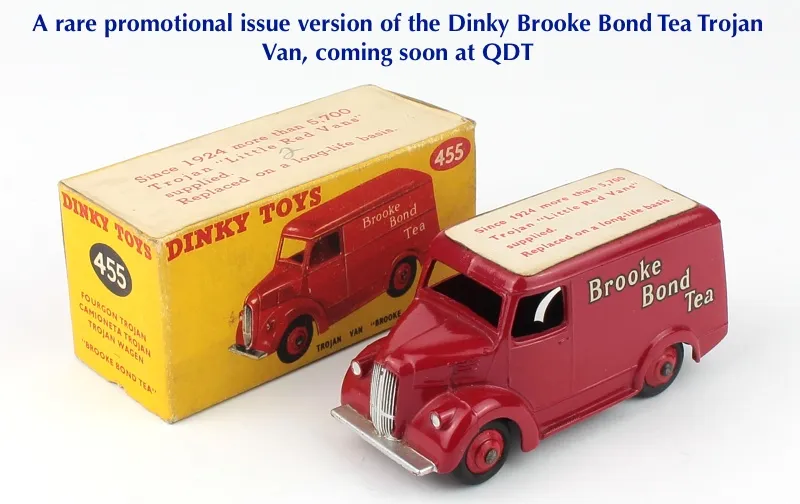
What are QDT Diecast Toys
QDT diecast toys represent a fascinating corner of the collectible world, captivating enthusiasts with their intricate detail, realistic designs, and nostalgic charm. These miniature marvels are essentially model vehicles made using the die-casting process, where molten metal is injected into molds to create highly detailed replicas of real-world cars, trucks, and other vehicles. QDT diecast toys are prized not only for their aesthetic appeal but also for their historical significance, educational value, and investment potential. Whether you’re a seasoned collector or a curious newcomer, understanding the world of QDT diecast toys is a rewarding journey into the heart of miniature engineering and design.
The History of QDT Diecast Toys
The history of diecast toys is a testament to innovation and the enduring appeal of miniature replicas. The die-casting process, which involves injecting molten metal into molds, has been around for over a century. However, it wasn’t until the early to mid-20th century that diecast toys began to flourish as a popular form of entertainment and collecting. QDT, as a brand, may have specific roots within this broader history. Early diecast toys were often simple and crude, but as technology advanced, so did the detail and realism of these miniature vehicles. The post-World War II era saw a surge in the popularity of diecast toys, with companies like Corgi, Dinky, and Matchbox leading the way. These toys were not just for kids; they also became coveted items for adult collectors. The evolution of QDT diecast toys mirrors this progression, with each generation bringing in more advanced designs and greater fidelity to the original vehicles.
QDT Diecast Toys Manufacturing

The creation of QDT diecast toys is a complex process that blends art, engineering, and manufacturing precision. The process begins with the design phase, where engineers create detailed models and blueprints of the vehicles. These designs are then used to create molds, typically made of steel, that are capable of withstanding the high temperatures and pressures of the die-casting process. Once the molds are ready, molten metal – usually a zinc alloy – is injected under high pressure into the mold cavities. This process allows for the creation of incredibly detailed and intricate parts. After the metal cools and solidifies, the molds are opened, and the individual parts are removed. These parts then undergo various finishing processes, such as painting, detailing, and assembly, resulting in the final QDT diecast toy.
Materials Used
The materials used in the production of QDT diecast toys play a crucial role in their quality, durability, and realism. Zinc alloy, a blend of zinc and other metals, is the most common material used for the main body and chassis of these toys. Zinc alloy is chosen for its ability to capture fine details, its durability, and its relatively low cost. Other materials commonly used include plastic for the interior, tires, and other parts, and rubber for the tires. The windows are often made of clear plastic. The paints and finishes applied to the diecast toys are also important. High-quality paints, applied through meticulous processes, give the toys their authentic appearance and protect them from wear and tear. Decals and other detailing elements further enhance the realism of the final product.
Manufacturing Process
The manufacturing process for QDT diecast toys is a multi-step procedure that combines precision engineering with skilled craftsmanship. The process begins with creating the mold, a critical step that dictates the level of detail and accuracy of the final product. The molds are typically made of steel and can be extremely complex. Once the molds are ready, the die-casting process begins. Molten zinc alloy is injected into the molds under high pressure. The metal cools and solidifies, taking the shape of the vehicle. After the casting process, the individual parts are removed from the mold. These parts then go through several finishing steps, including cleaning, sanding, and painting. The intricate paint jobs are often applied by hand or using advanced automated processes. Finally, the parts are assembled, and any additional details such as decals and accessories are added. The final product is then inspected to ensure it meets the high standards of QDT.
QDT Diecast Toys Scale Sizes

The scale size of a QDT diecast toy is a crucial factor for collectors and enthusiasts. The scale refers to the ratio between the size of the miniature model and the size of the real-life vehicle. Common scales include 1:18, 1:24, 1:43, and 1:64, among others. Each scale offers a different level of detail and size, catering to varying preferences. For example, a 1:18 scale model is larger and allows for greater detail, making it a popular choice for showcasing intricate features. Smaller scales, such as 1:64, are often used for more affordable and compact models. Understanding the scale of a QDT diecast toy is essential for building a cohesive collection and ensuring that the models are compatible with each other.
Popular QDT Diecast Toy Scales
Several scales are particularly popular among QDT diecast toy collectors. The 1:18 scale is often favored for its large size and high level of detail, allowing for intricate features such as opening doors, detailed engines, and realistic interiors. The 1:24 scale is another common choice, offering a good balance between size and detail, and is often found in more affordable options. The 1:43 scale is a popular choice for collectors who want to display a wide variety of models without taking up too much space. It’s also used for racing car models. The 1:64 scale, often referred to as the ‘Matchbox’ or ‘Hot Wheels’ scale, is popular for its affordability and the wide range of available models. This scale is perfect for casual collectors and children alike.
How to Identify Scale
Identifying the scale of a QDT diecast toy is relatively straightforward. The scale is usually printed on the packaging, often next to the model’s name or specifications. If the packaging is missing, you can sometimes find the scale information printed on the base of the model itself. If the scale is not readily available, you can also determine it by comparing the model’s dimensions to the known dimensions of the real-life vehicle. For example, if you measure the length of a model and know that the real car is 180 inches long, you can calculate the scale. Divide the model’s length by the real car’s length, and you will get the scale factor. You can also use online resources and collector forums to identify the scale of a particular model.
Top 7 Facts About QDT Diecast Toys

Fact 1 Details and Realism
QDT diecast toys are renowned for their exceptional detail and realism. The die-casting process allows for intricate designs and features, capturing the essence of the real vehicles they replicate. From the curves of the body to the fine details of the interior, these models are miniature works of art. High-quality paints and finishes, along with detailed decals and accessories, further enhance the realism. Collectors appreciate the accuracy and attention to detail, making these models highly sought after. The dedication to replicating every aspect of a vehicle, including the engine, dashboard, and even the tires, is what sets QDT diecast toys apart and makes them a prized possession for enthusiasts.
Fact 2 Materials
The materials used in QDT diecast toys are crucial for their quality and durability. Zinc alloy is the primary material, offering the strength needed to capture fine details. This metal allows for intricate designs that would be difficult to achieve with other materials. The use of high-quality plastics, rubber, and clear materials for windows and other parts enhances the overall realism. The selection of materials contributes to the weight and feel of the models, adding to their appeal. The combination of these materials ensures that QDT diecast toys are not only visually stunning but also durable and long-lasting, perfect for both display and handling.
Fact 3 Collectibility

QDT diecast toys are highly collectible, with many models increasing in value over time. Limited edition models, rare versions, and those in excellent condition often command a premium. The hobby of collecting these toys fosters a strong community of enthusiasts who share a passion for these miniature replicas. The collectibility factor drives interest and investment, making these toys a rewarding hobby. The history, design, and condition of each toy contribute to its value, making the collecting experience both enjoyable and potentially lucrative.
Fact 4 Variety of Models
QDT offers an impressive variety of models, spanning various vehicle types, brands, and eras. From classic cars to modern sports cars, trucks, and even motorcycles, there’s a QDT diecast toy for every enthusiast. The diverse range of models ensures that there is something for every collector. The variety extends to the scales, allowing collectors to choose models that fit their display preferences. The continuous release of new models, often based on popular vehicles, keeps the hobby exciting and provides collectors with a constant stream of additions to their collections.
Fact 5 Scale Models
Scale models are a significant aspect of QDT diecast toys. The different scales allow for various levels of detail and size, catering to different preferences. The most popular scales such as 1:18, 1:24, 1:43, and 1:64 offer different display options. These scales allow collectors to build focused collections. Scale models provide educational value by accurately representing the proportions and features of real vehicles. Choosing the right scale is essential for creating a cohesive collection and maximizing the enjoyment of these detailed replicas.
Fact 6 Price

The price of QDT diecast toys varies greatly depending on factors such as scale, detail, rarity, and condition. More detailed and larger-scale models tend to be more expensive, while smaller models are often more affordable. Limited-edition models and those from specific production runs can command a premium, especially if they are in excellent condition. Prices can range from a few dollars for common models to hundreds or even thousands of dollars for rare or vintage pieces. The price reflects the craftsmanship, materials, and collectibility of these miniature masterpieces, making them a worthwhile investment for many enthusiasts.
Fact 7 Where to Buy
QDT diecast toys are available through various channels, including online retailers, specialty hobby shops, and dedicated collectors’ forums. Online marketplaces offer a wide selection, allowing collectors to compare prices and find specific models. Specialty hobby shops provide expert advice and a hands-on experience, allowing collectors to see the models up close before purchasing. Collector forums and online communities are excellent sources for finding rare models, sharing information, and connecting with other enthusiasts. Auctions and estate sales can also be a good source for vintage or rare QDT diecast toys. The key is to research, compare prices, and ensure the authenticity and condition of the model before making a purchase.
Caring for Your QDT Diecast Toys
Cleaning and Maintenance
Proper care and maintenance are essential for preserving the condition and value of your QDT diecast toys. Dusting regularly with a soft cloth or brush is crucial to prevent dust and debris from accumulating on the surface. Avoid using harsh chemicals or abrasive cleaners, which can damage the paint and details. Instead, gently wipe the models with a slightly damp cloth or a specialized diecast cleaner. For more stubborn dirt, you can use a soft brush to gently remove the grime. Ensure that the toys are completely dry before storing them to prevent moisture damage. Regular maintenance will help keep your QDT diecast toys looking their best for years to come.
Storage Tips
Proper storage is critical for protecting your QDT diecast toys from damage. Store the models in a cool, dry place away from direct sunlight, which can cause the paint to fade or crack. Avoid storing them in extreme temperatures or humidity. Consider using display cases or protective boxes to shield the models from dust and accidental damage. Individual storage boxes or cases are also ideal to keep your collection organized. When handling the models, do so with clean hands to prevent transferring oils or dirt. Following these storage tips will help ensure that your QDT diecast toys remain in excellent condition and retain their value.
Conclusion
QDT diecast toys offer a world of miniature fascination, combining intricate detail, historical significance, and collectibility. From their detailed manufacturing process to the wide variety of models available, QDT diecast toys appeal to enthusiasts of all ages. The value of these models goes beyond their aesthetic appeal, making them a rewarding hobby and a potential investment. By understanding the different scales, the importance of materials, and how to care for these miniatures, collectors can build a collection that brings joy and a lasting appreciation for the world of diecast toys. Whether you are a seasoned collector or a newcomer, the journey into the world of QDT diecast toys is an engaging and rewarding experience.